English Gardenscapes with Shades of Roman Britain Tour Note 6: Hidcote Manor Garden and Sissinghurst Castle Garden
I began these notes to give tour members some useful information about the sites we will be visiting and to explain why we are visiting those places among the hundreds of other gardens and Roman sites in England. In the case of Hidcote and Sissinghurst, the reason for including them is easy: I’ve not yet visited them but have wanted to for a long time.
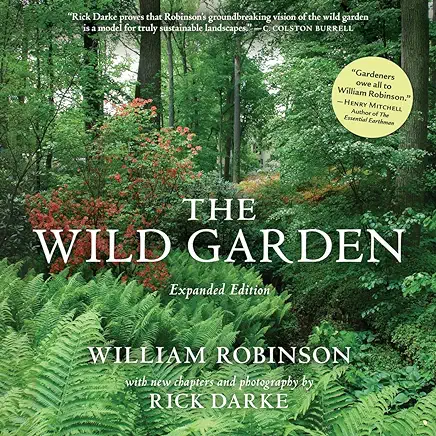
A little recap of the brief overview of English garden history in Note 1 can explain why I’ve been looking forward to visiting these two gardens. Just as the 18th century English landscape garden emerged as a reaction against formal, geometric French and Dutch styles of the 17th century, the late 19th century reacted against Victorian carpet bedding with its planting of low-growing annuals in pictorial deigns. While the landscape garden promoted expansive, natural styles in which the garden opened to the broader landscape, the 19th-century stylistic preference that has become associated with the perennial border, promoted freer, less contained designs more akin to natural landscape. In 1870 William Robinson gave voice to this movement with the publication of The Wild Garden, available (like just about everything else) still on Amazon today. Below is the cover and the Amazon blurb.
“First published in 1870, The Wild Garden challenged the prevailing garden style of the day and advocated a naturalistic style, in which hardy plants, both native and exotic, are arranged in groupings that mimic wild landscapes.”
Robinson followed in 1883 with The English Flower Garden, recommending moderately geometric patterns of irregular plantings. At the same time, William Morris was championing the Arts and Crafts movement in England, which looked for inspiration from nature and favored the beauty of natural materials, simplicity, and utility. Add to these the design philosophy of Gertrude Jekyll, who published the influential book Colour in the Flower Garden in 1908 and we have all the building blocks for the Arts and Crafts English garden. Influenced by the Arts and Crafts movement and her background as an horticulturalist and as an artist, Jekyll’s designs are characterized by unifying swatches of color in herbaceous borders, yew hedges, and climbing roses.
And this brings us to Hidcote Manor Garden, an Arts and Crafts-inspired garden of carefully designed “rooms,” herbaceous borders, and masterfully manipulated color designs.
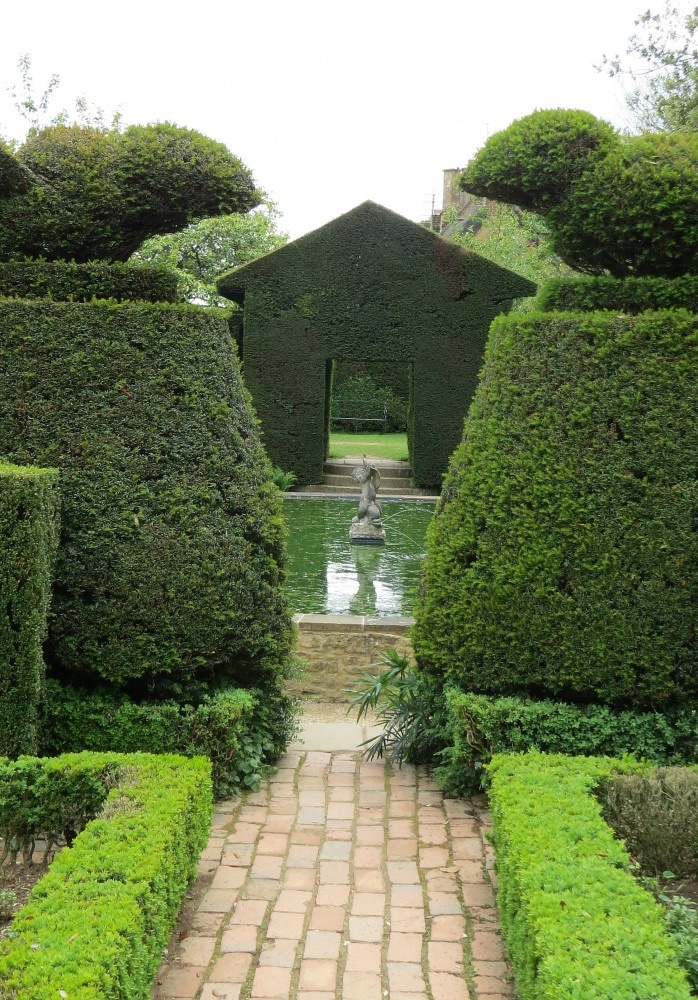
Designed, and owned, by Lawrence Johnson, Hidcote gardens’ 10.5 acres developed over three decades from 1907 to 1938. The garden is laid out primarily on two axes, one to the west represented by The Theatre Lawn and the other primarily to the south delineated by The Long Walk. These expanses, as well as “rooms” that open off of them, are outlined by borders of yew, boxwood, and hedges of hornbeam and copper beech. One of those room, the White Garden, contains bird topiaries that I hope we will not miss. In terms of color design, Johnson was influenced by Jekyll, but in terms of hardscape he was influenced as well by her design partner, architect Edwin Lutyens.
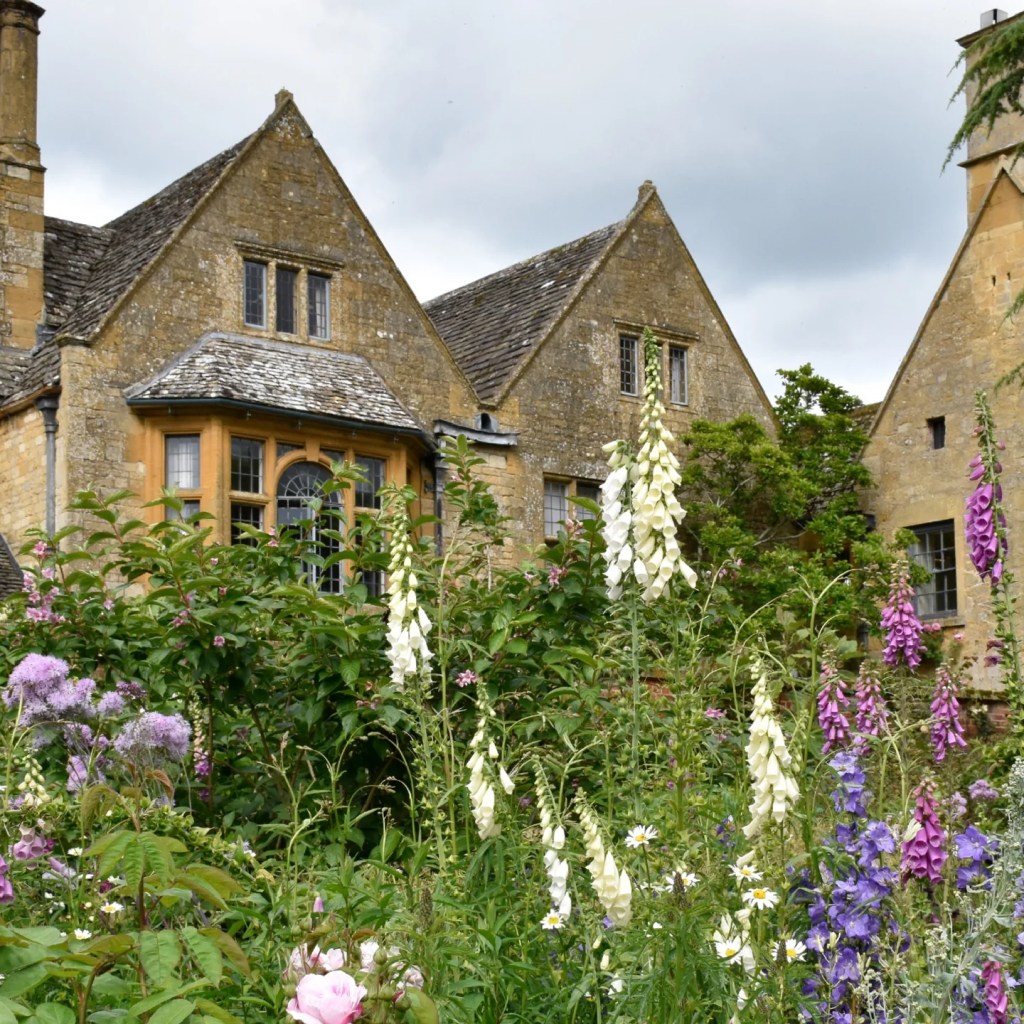
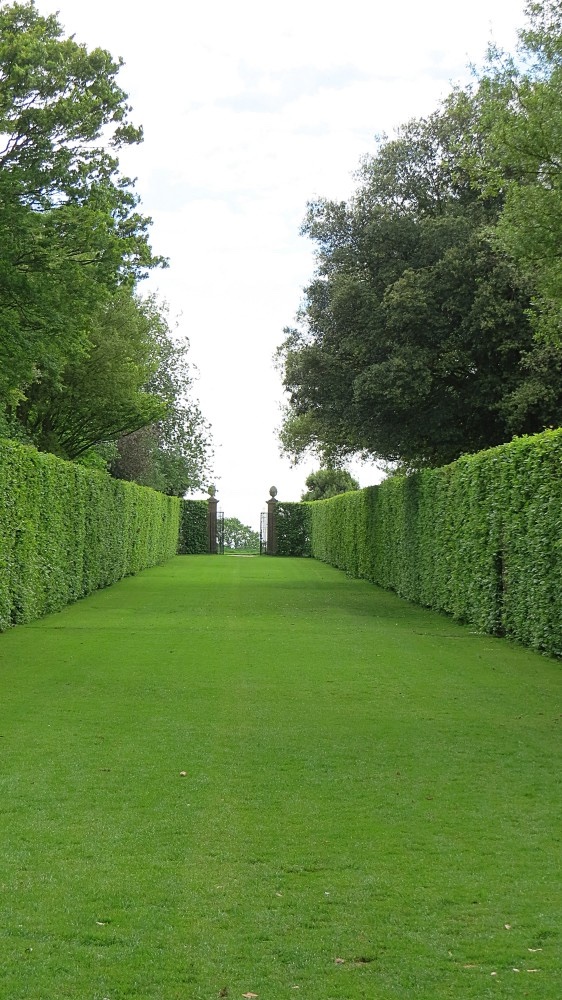
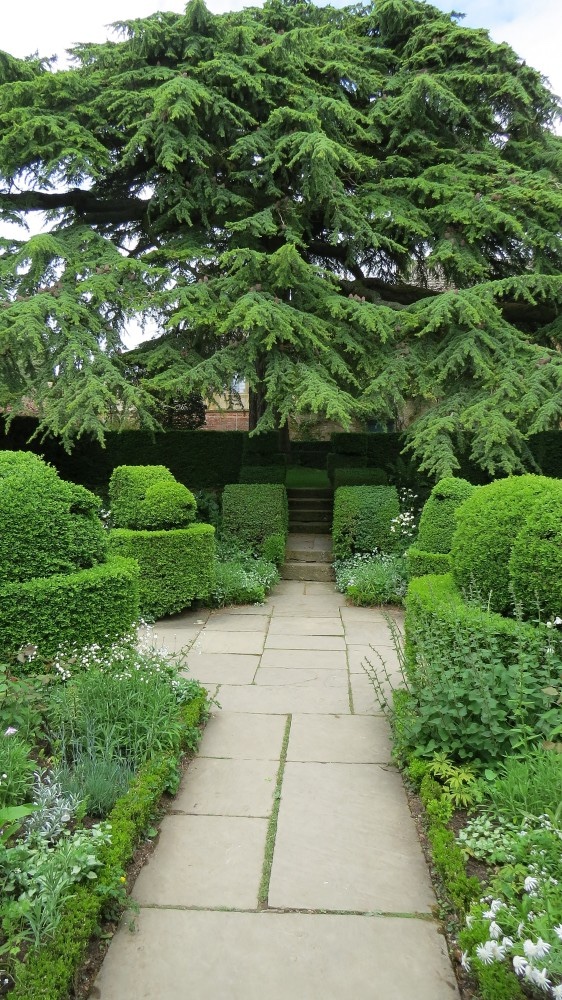
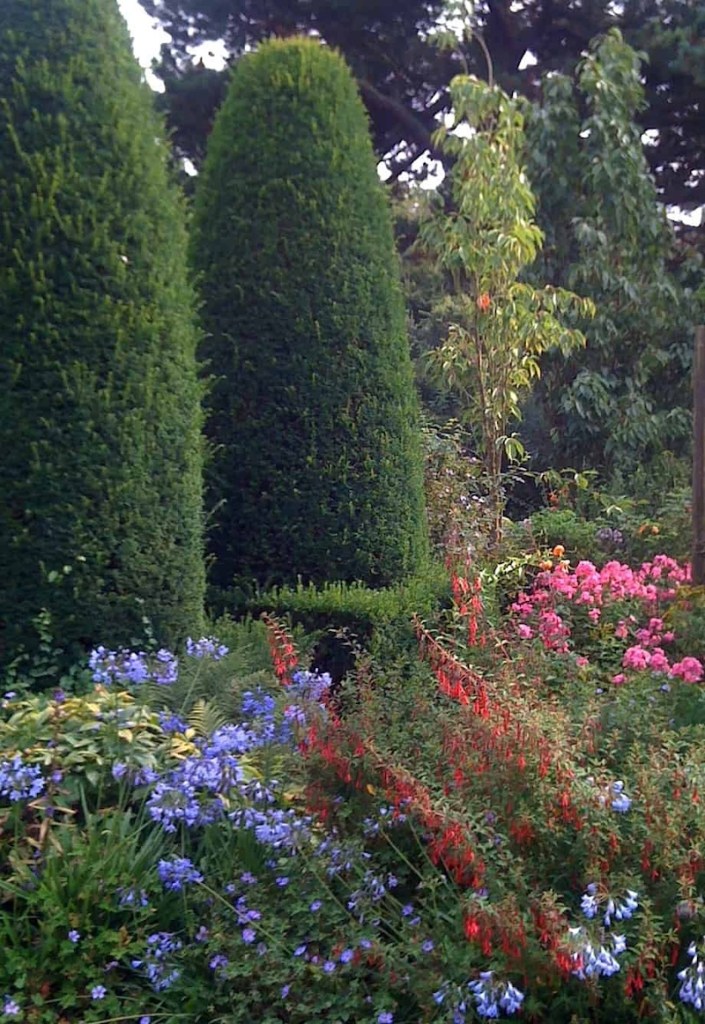
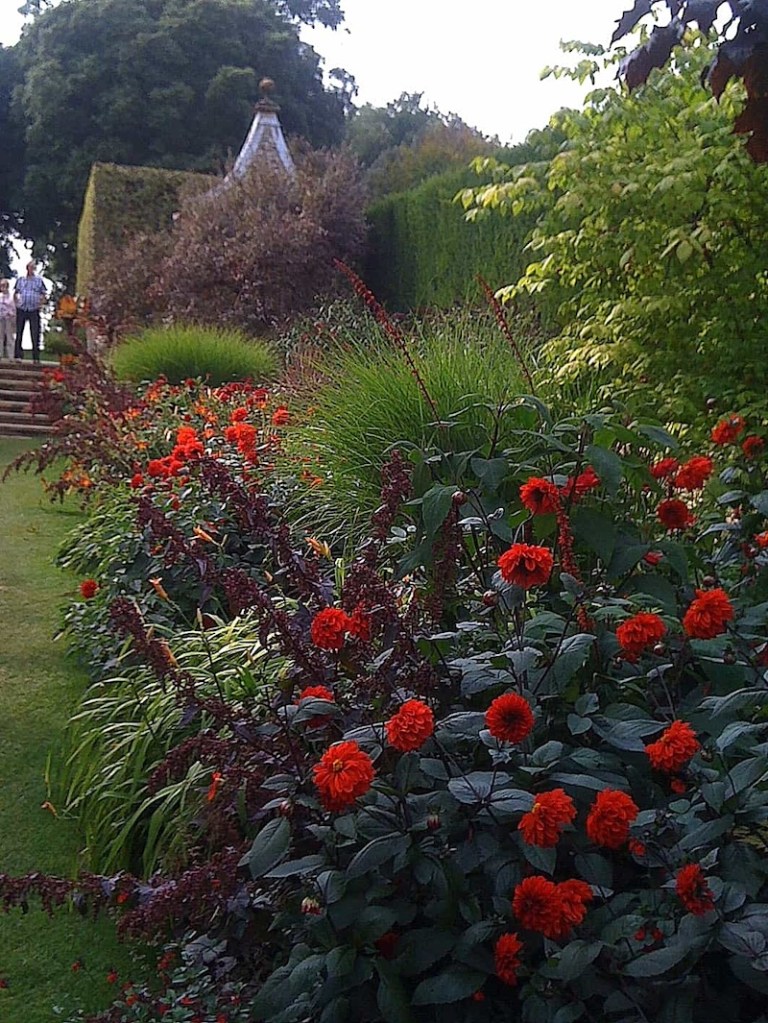
As I noted at the beginning of this post, I’ve not yet visited Hidcote Manor Garden, Therefore, I’m borrowing some photos from another blogger to give you a preview of good locations to look forward to when we visit. Photos below are from garden writer Richard Jackson at https://thegardenvisitor.co.uk/hidcote-elusive-mr-johnston-extraordinary-mrs-lindsay/. Note The Long Walk mentioned above.
The Bathing Pool GardenThe Long WalkThe Old GardenThe Pillar GardenThe Red Garden
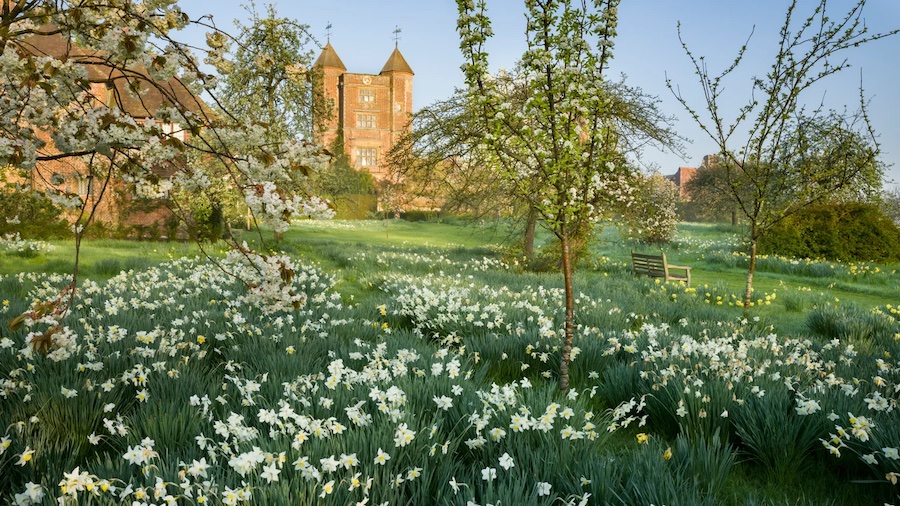
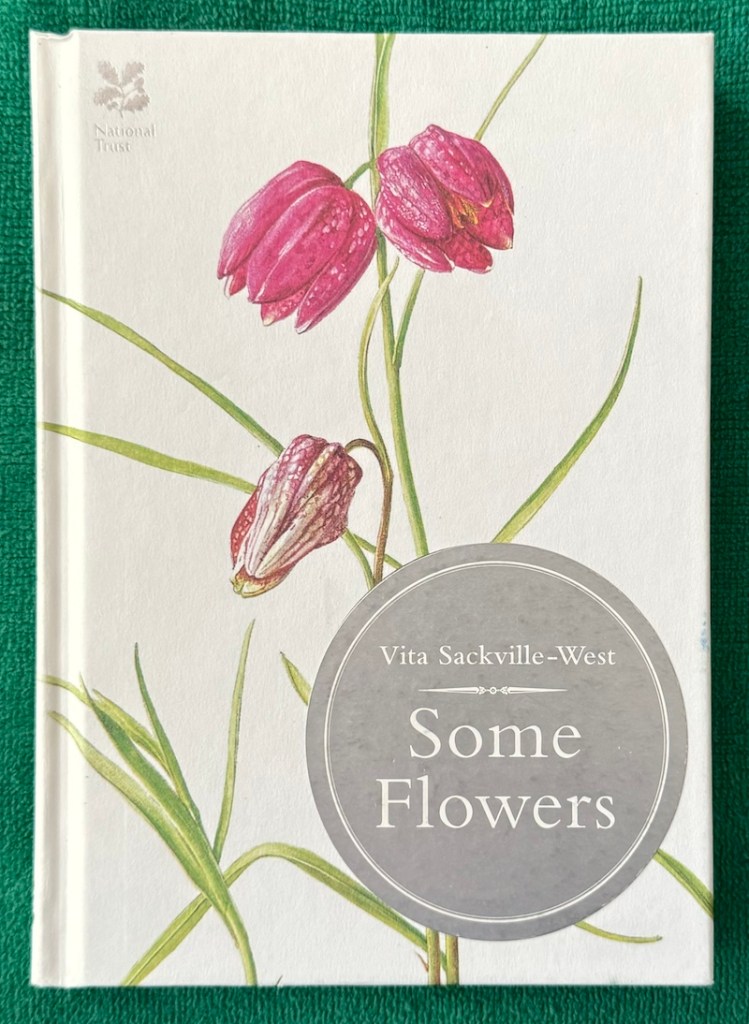
The other garden that served as inspiration for this entire tour is Sissinghurst Castle Garden in Kent. Built on the site of an earlier medieval house, the so-called Castle is an Elizabethan manor house that was in great disrepair in 1930 when it was purchased by Vita Sackville-West and her husband Harold Nicolson. A member of the influential, intellectual, and artistic Bloomsbury Group, Vita Sackville-West was a noted author, artist, and intimate of Virginia Woolf. After the purchase of Sissinghurst we can add garden designer to her profile. By 1938, we can also call her a garden writer as she began publishing related magazine articles. The National Trust published an edition of her 1937, Some Flowers, with color illustrations by Graham Rust of the 25 favorite flowers she describes in the original book.
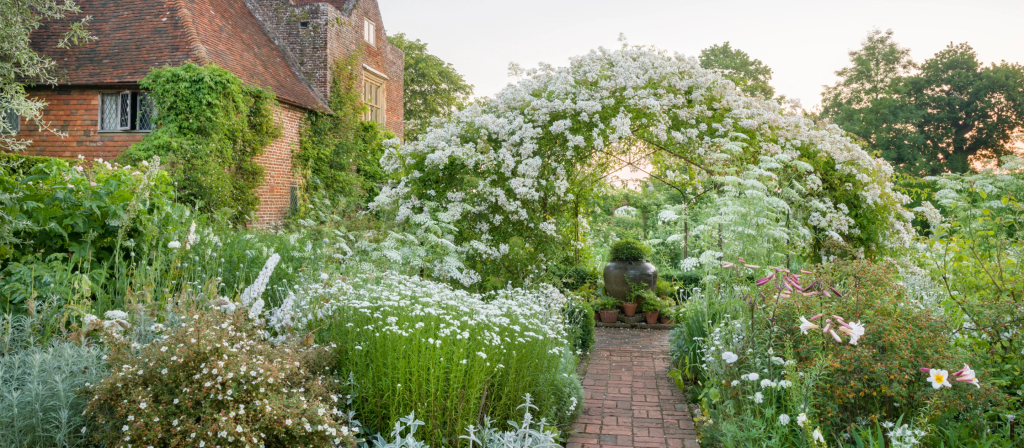
In the “Forward” Sackville-West explains that the flowers she has chosen “are flowers which painters have delighted, or should delight, to paint,” echoing the painterly and color sentiment of the Arts and Crafts garden designers Jekyll and Johnson. Not surprisingly, one of the most popular rooms of Sissinghurst is the White Garden, captured below by Andrew Butler on the National Trust site The Garden at Sissinghurst Castle Garden.
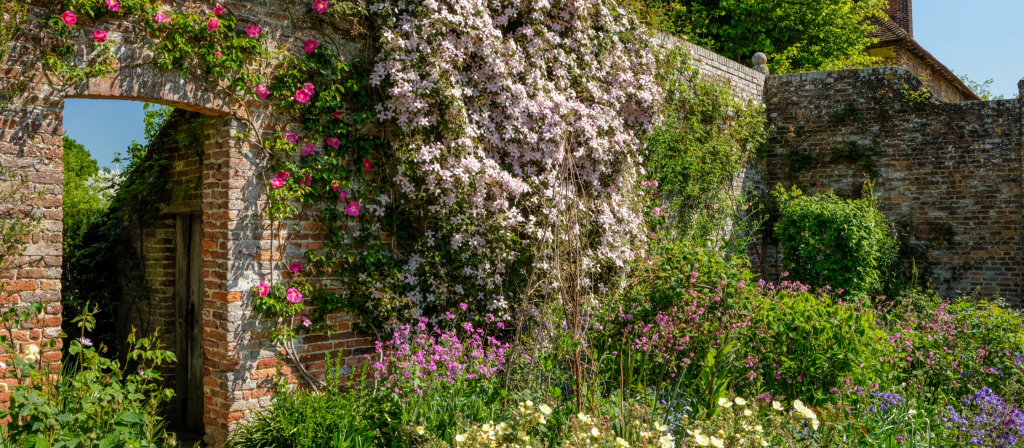
Again, until we visit, I must rely on official websites for photographs of this garden. Also from the National Trust site is the image below of the Rose Garden from photographer Chris Davies.
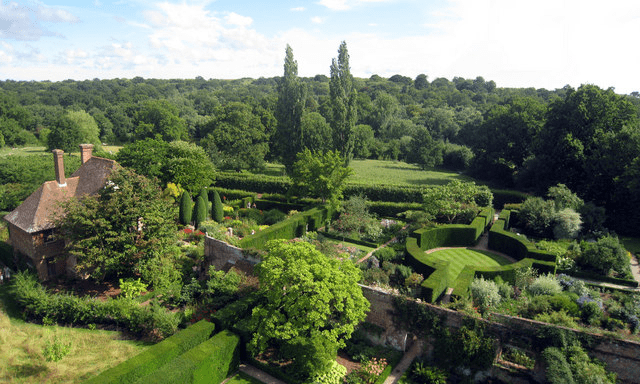
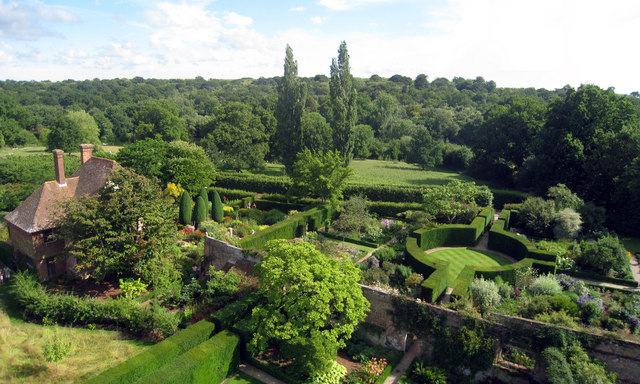
One more borrowed image, this one from Wikimedia, to provide a sense of the design of Sissinghurst because it is not simply one garden but a series of 10 interconnected gardens. Harold Nicholson was essential to the layout of the gardens and the hardscape. Like Johnson, he was influenced by Lutyens.
If there is ever to be reprise of these tour notes, I trust that I’ll have many personal photographs of these two influential turn-of-the-20th-century gardens: Hidcote, the quintessential Art and Crafts garden and Sissinghurst, one of the most internationally recognized and artistically designed gardens in England. In a few weeks, I’ll post the final set of notes on Great Dixter and Kew. And, shortly thereafter we will set off to see all of these gardens and Roman sites in person.

 After Eden
Oh my. Your tour group is so lucky!
LikeLiked by 1 person
Thank you, Susan! I am learning so much from the posts and has really added to the excitement of visiting these wonderful places!
Peggy
LikeLike
So beautiful.
LikeLike