

On a recent trip to the UK and a walking-hiking get away weekend in the Peak District, more specifically the Derbyshire Dales, I experienced an unexpected “lab” exercise in natural landscape and landscape gardens. I say unexpected, but certainly not unappreciated or unwanted. Since my retirement from teaching medieval literature, I’ve turned my research energies to European and American garden history–even getting Master Gardener Advance Certification in the foundations of Southeastern US garden design.
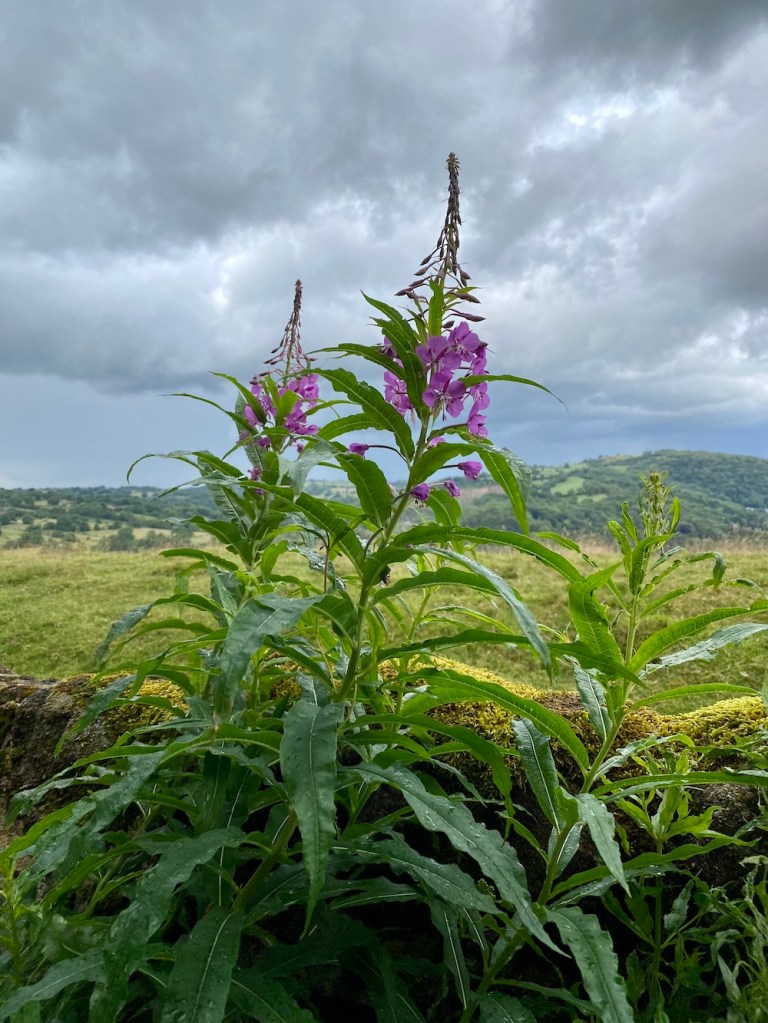
The overcast and rainy weekend took me and my companions first to the countryside surrounding the medieval town of Wirksworth (Edward I granted the town a market charter in 1306) and the Black Rocks vicinity. A lovely example of cultivated but not philosophically designed landscape. There were even a few suggestions of primeval forest.



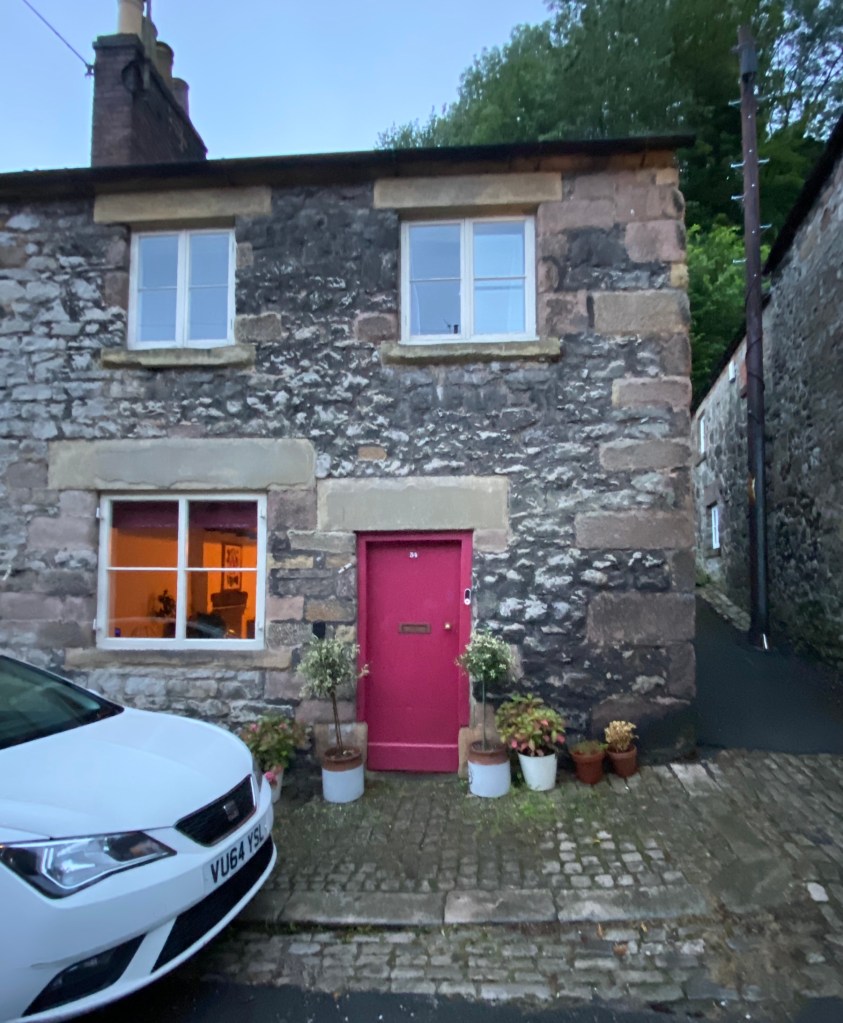
The next day provided touchstones for a myriad of different sentiments toward nature, wealth, social standing, and gardens as my friends and I left the close and cozy Wirksworth Cottage to visit late 17th and 18th-century Chatsworth House and Gardens. The day, though, offered little difference in the character of the overcast skies.

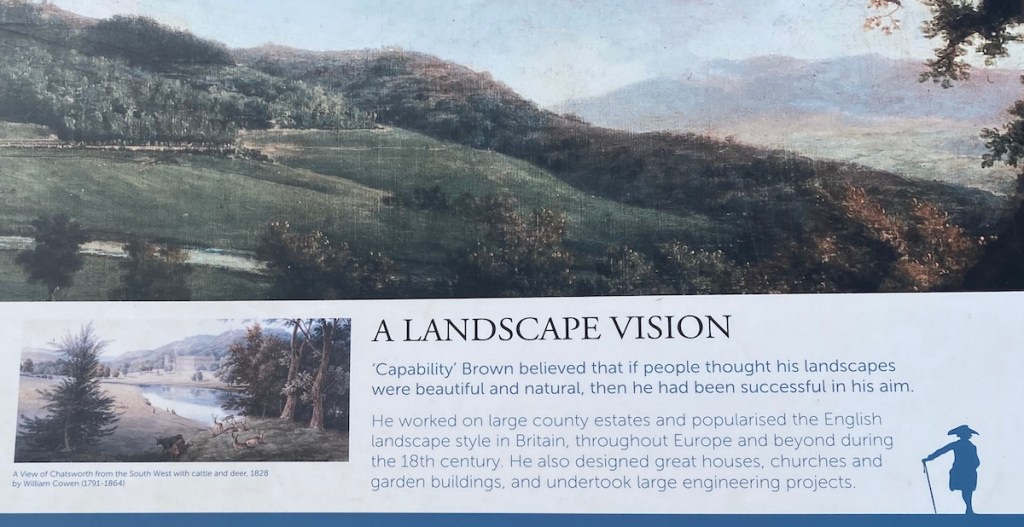
Chatsworth House is undeniably grand. Rated as the world’s most beautiful stately house in 2022, it remains the home of the Duke and Duchess of Devonshire. Visit here for an interesting and well-illustrated history of the house. My focus is on the gardens, though. Moreover, it is more pictorial than historical. However, I cannot fail to note that the garden’s design is much the creation of one of the best-known landscape designers of the 18th-century, Lancelot ‘Capability’ Brown. His nickname, Capability, came from his assessments of the ‘capability’ of landscapes. The “‘capability’ of landscapes” in itself should suggest something about period perspectives on the aesthetics of Nature.
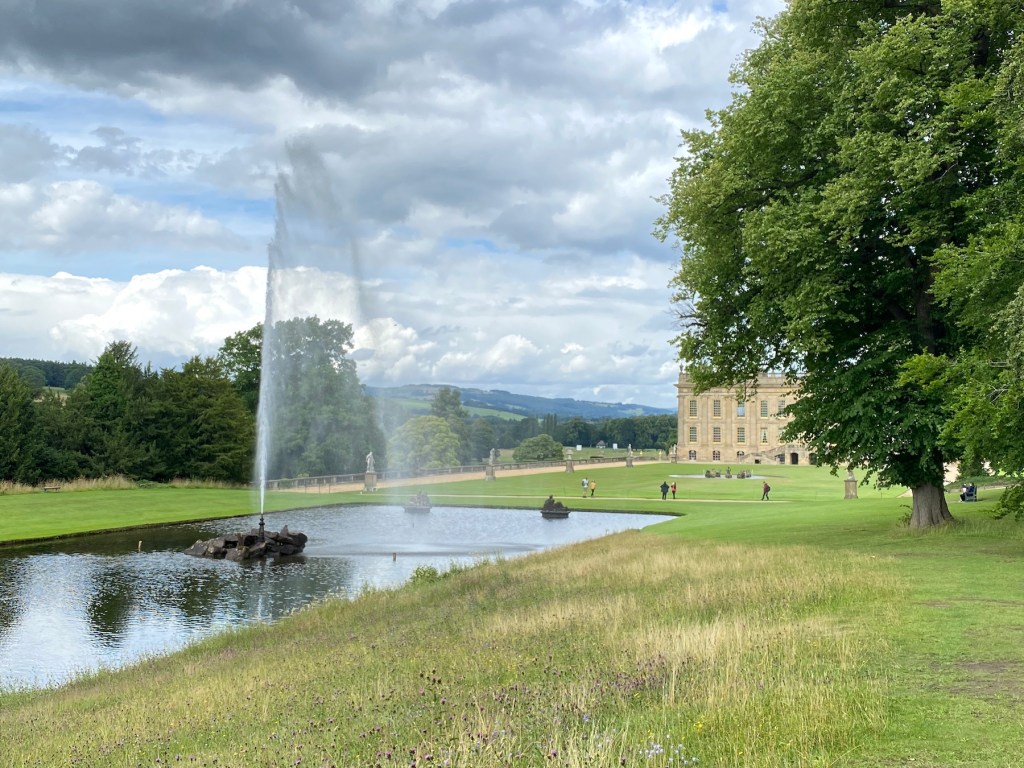
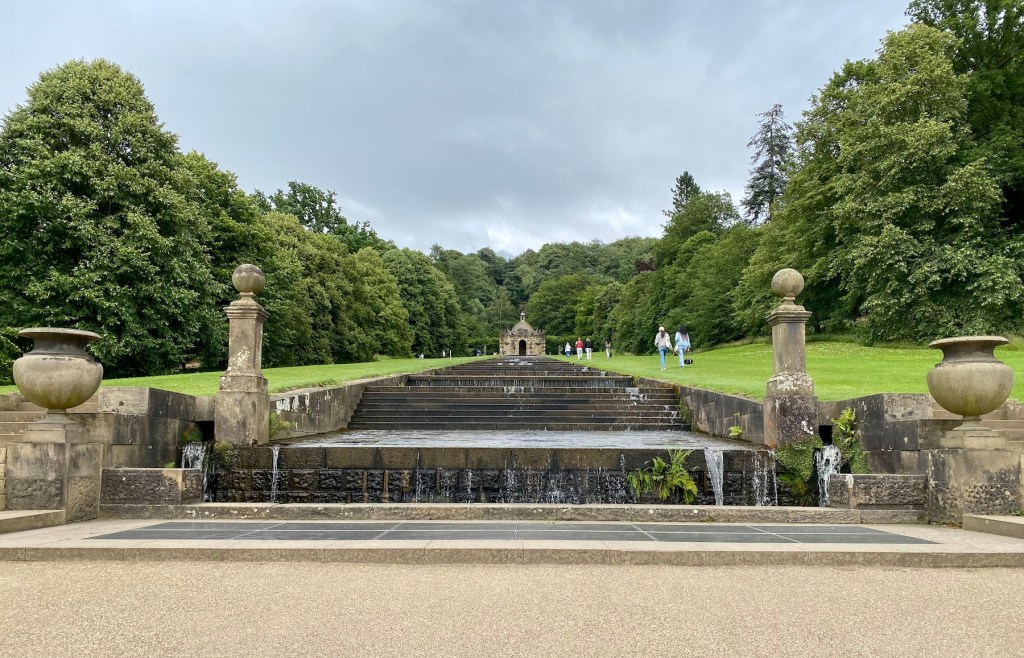
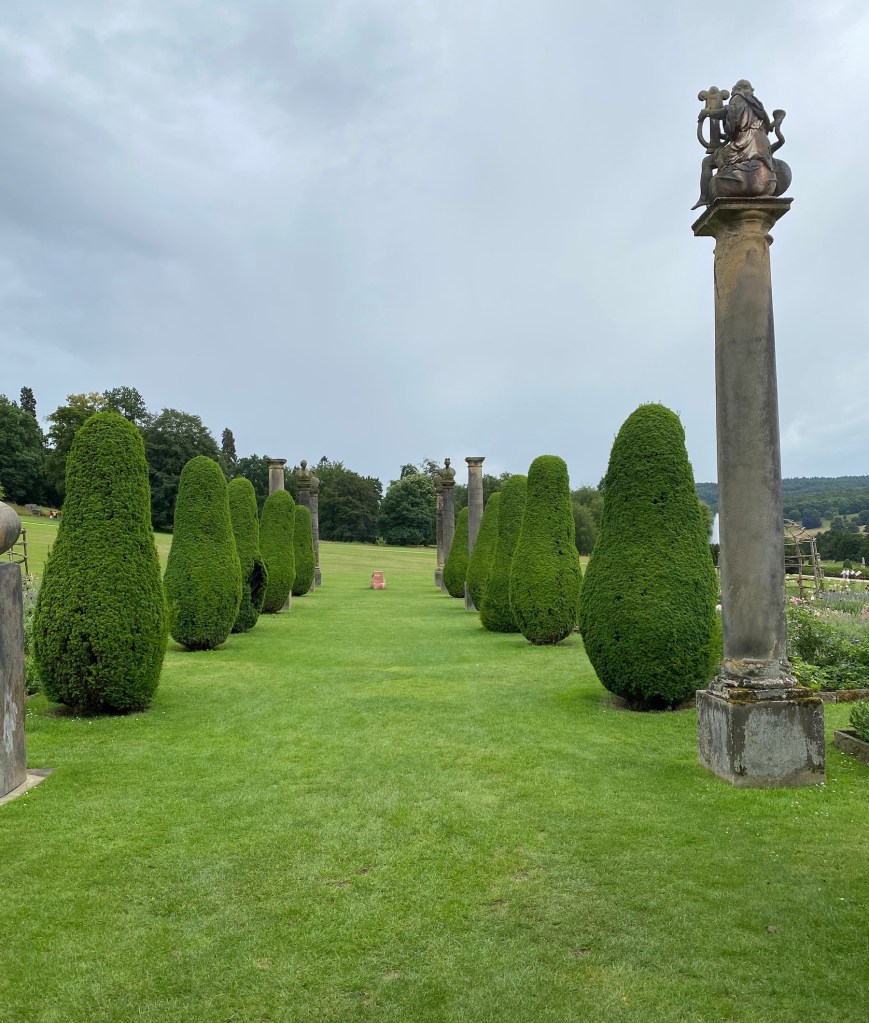
The 18th-century development of the English landscape garden—also known simply as the English garden—was a reaction against the strict geometrical restraints of the popular French, Dutch, and Italian gardens of the previous century. Sweeps of undulating lawns, groves of trees, water features, Classical or Gothic picturesque architecture, all contributed to the creation of an intentionally idyllic natural landscape. Chatsworth provides impressive examples of all of these.


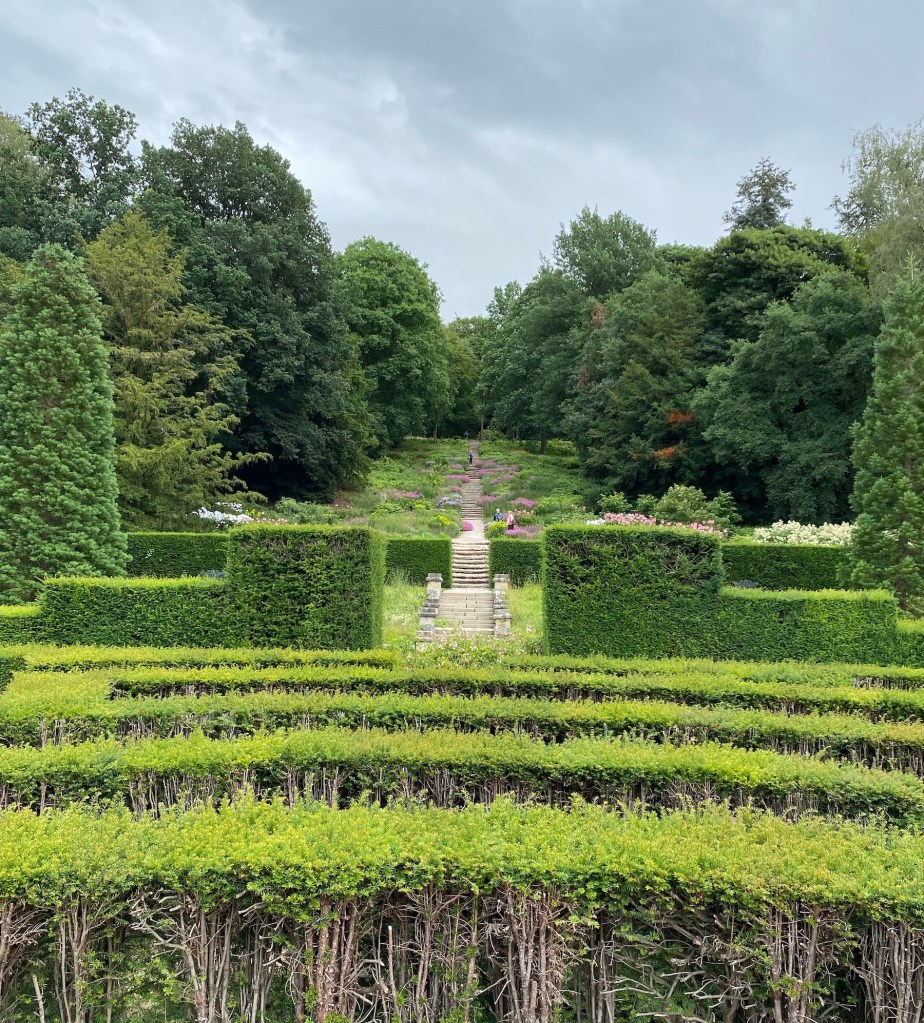
That does not mean, however, that everything we see at Chatsworth is exactly as it originally was. Hardscapes mature, grow, and change just as the plants they embrace do. The Maze, situated within the foundations of an immense original glass house is a perfect example. The Great Conservatory was designed by Joseph Paxton and completed in 1840. Paxton was also the designer of the Chrystal Palace in Hyde Park for the 1851 Great Exhibition. Maintenance and heating costs of the Great Conservatory were as grand as its size. So, in 1920 after it fell into disrepair during WWI, it was demolished; however, the foundation was left in place to preserve its footprint. In 1962, the Maze was installed in its center.


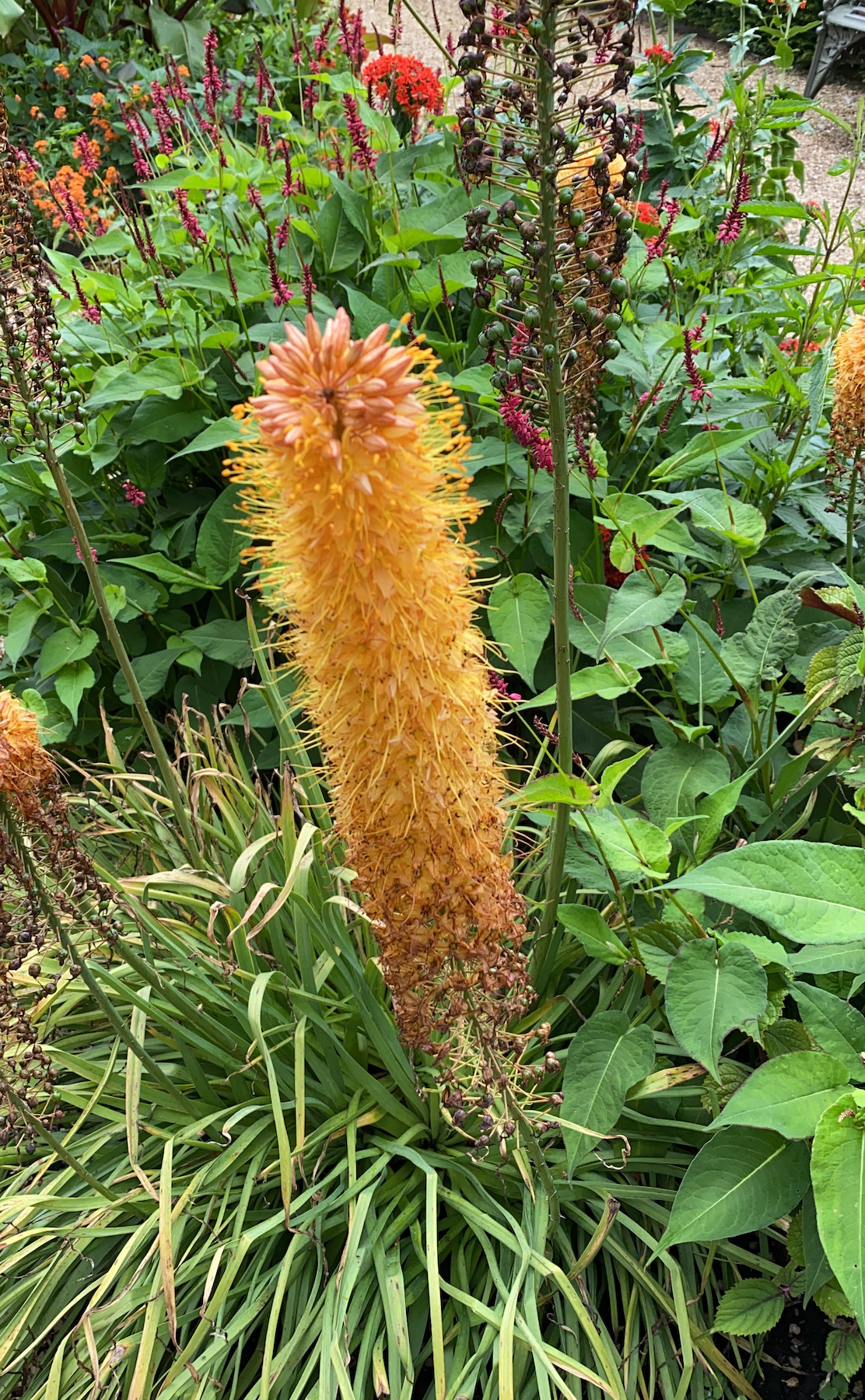
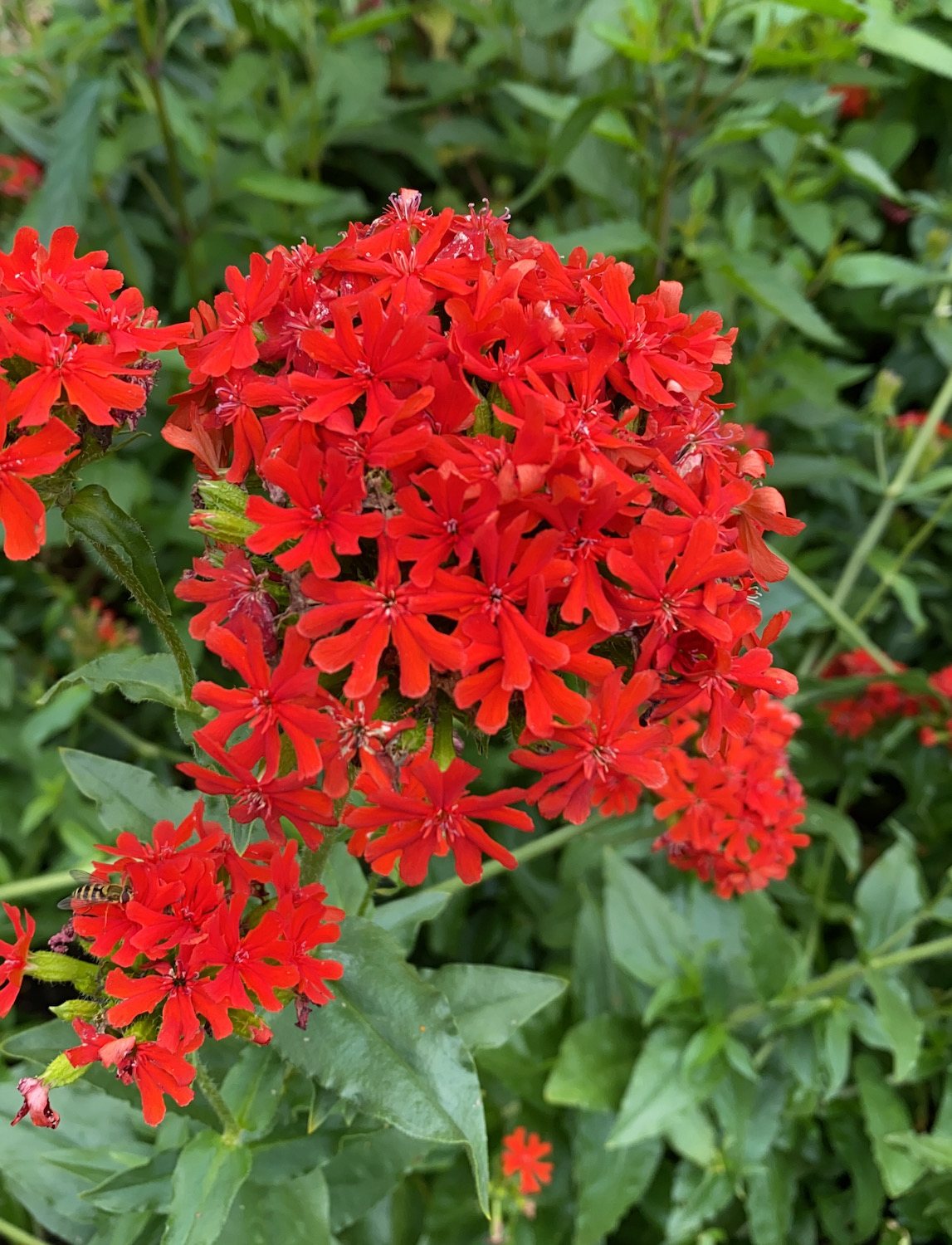
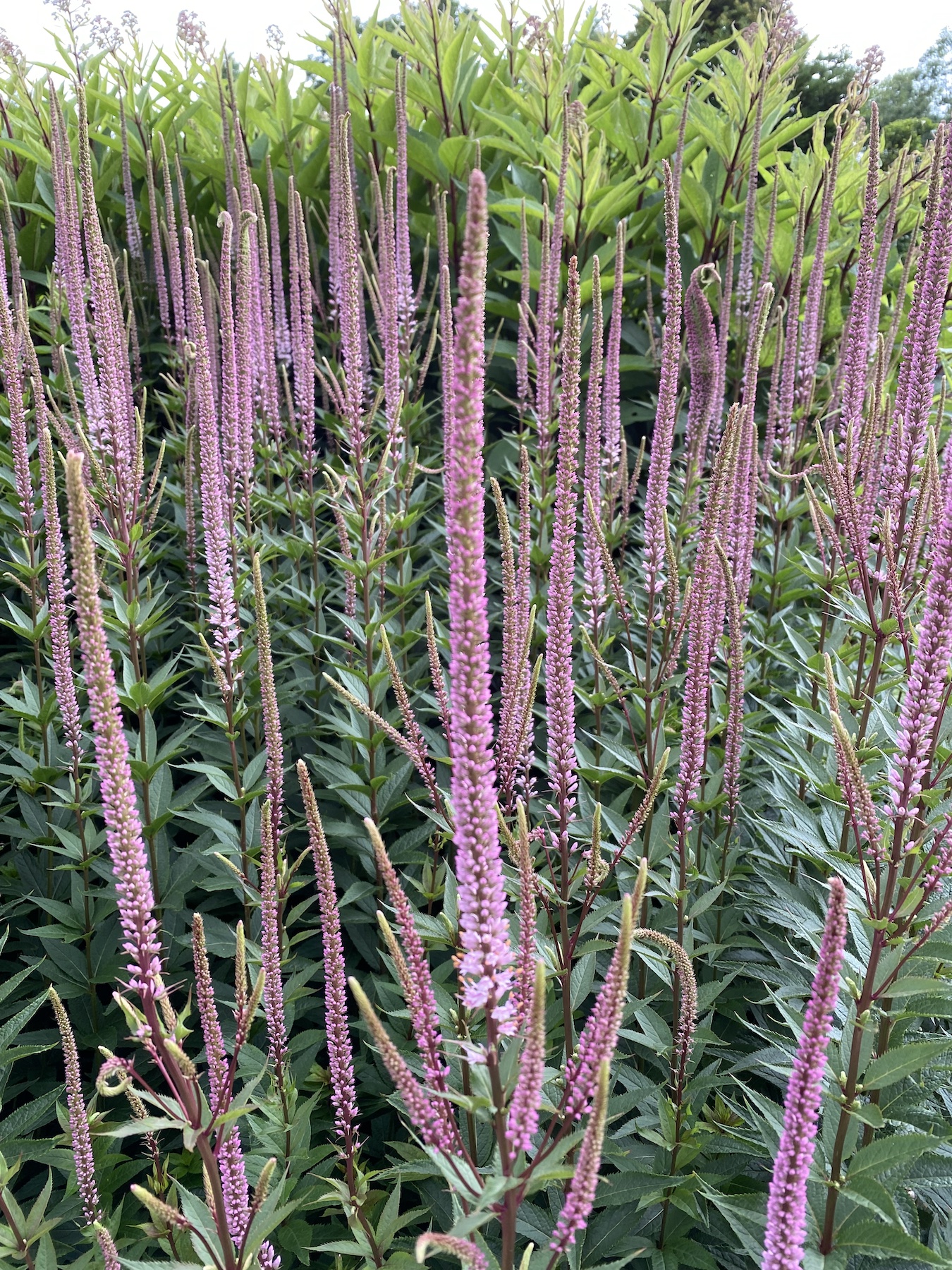
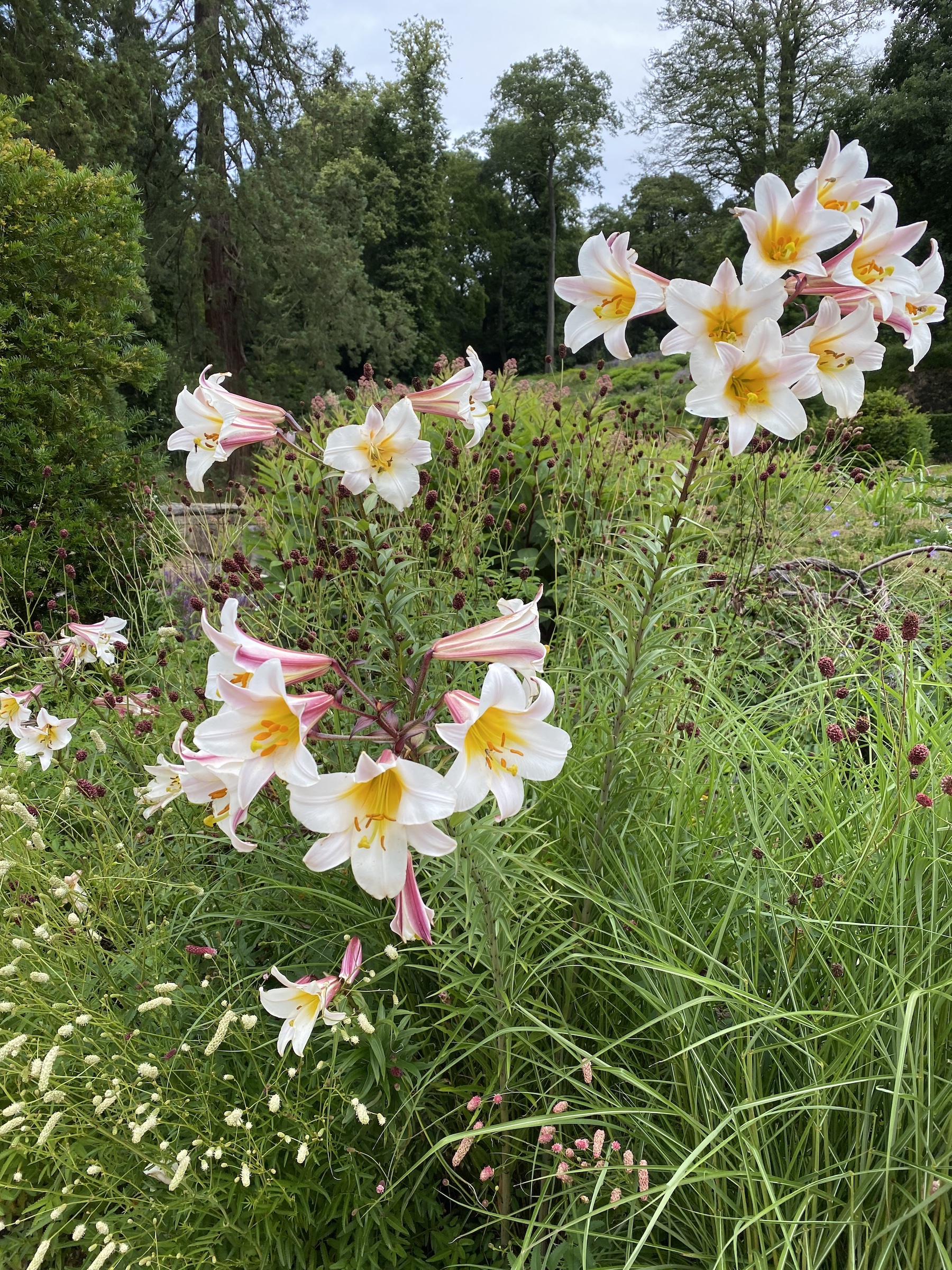
Below is a gallery of some of the plants that fill the beds on either side of the Maze: Foxtail Lily (Eremurus robustus), Jerusalem or Maltese Cross (Silene chalcedonica), Sneezeweed (Helenium autumnale), Culver’s Root (Veronicastrum virginicum), Royal Lily, and Red Bistort (Bistorta amplexicaulis). There are also Queen Anne’s Lace, Leeks, and Burnet among others in generously planted plots.



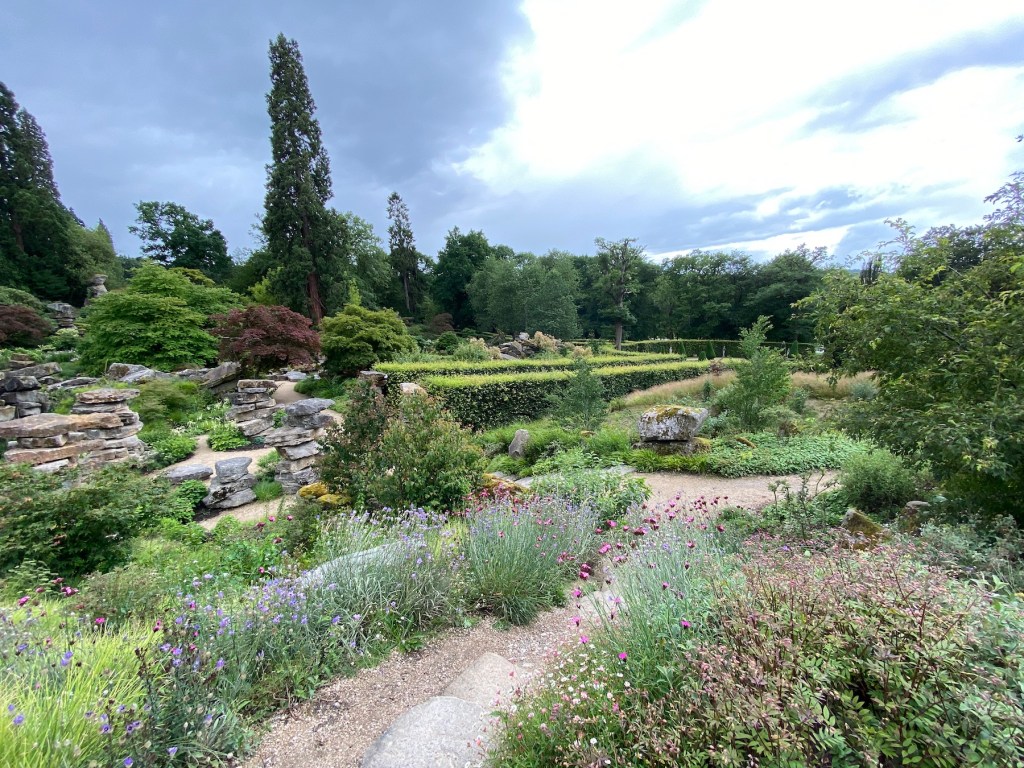
Another major feature, the Rockery was started in 1842, but since 2002 it has seen three periods of restoration and replanting. The latest, initiated in 2018, is ongoing.


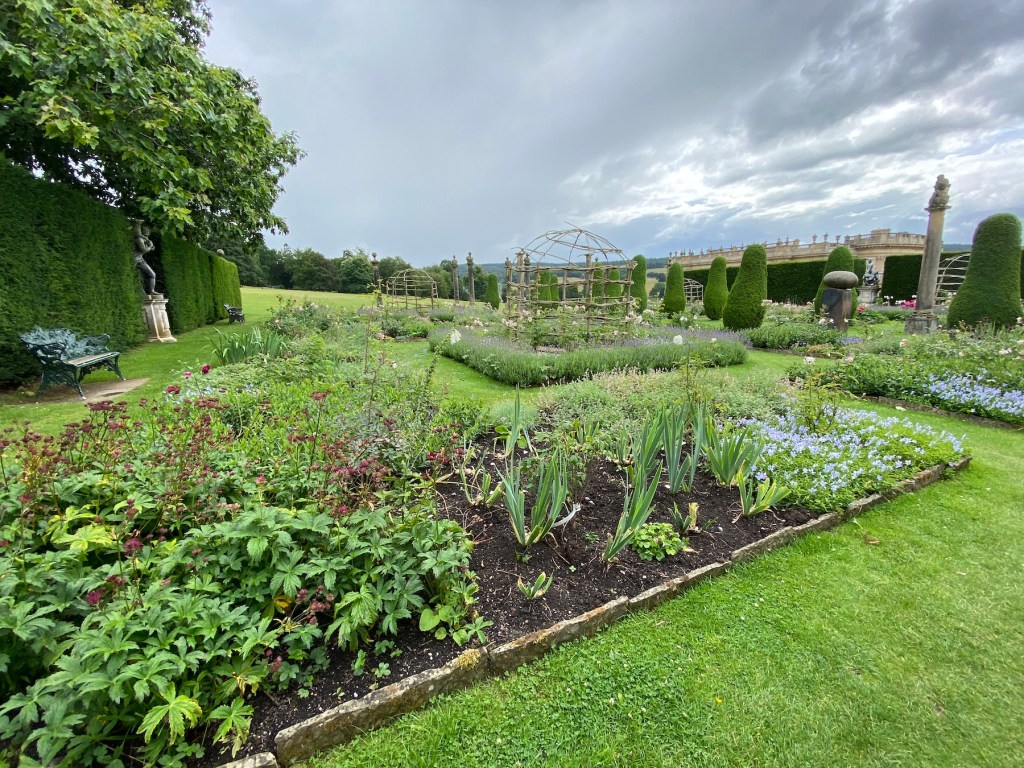
My friends and I did not have the time to walk the entire 105-acre garden. Our tour of Chatsworth ended at the Rose Garden, and so does my review. Fortunately, the first photo below represents well the individual gardens, hedges, and groves set within the rolling lawns adjacent to the grand house.


There is another photo that I have to include, though. As I said above, Chatsworth remains a private home, a home that has been in the Cavendish family for 16 generations. A restricted area of the garden is protected by this ever on duty pack of sentinel dogs.

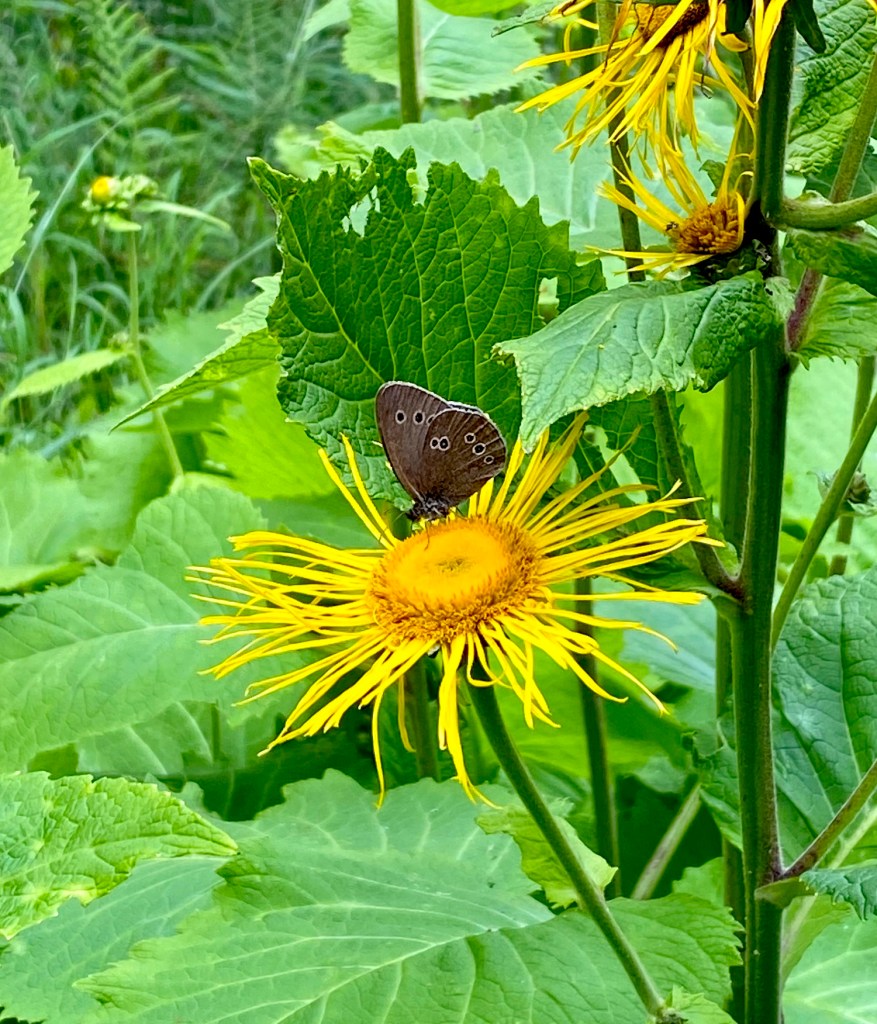
There is much that can be written about 18th-century thoughts on nature, art, and the picturesque—and even more that can be investigated about social constructions of the idea of the garden. But I promised a pictorial rather than an historical review, so one more flower and a butterfly from an area adjacent to the Angela Conner Grove to close the tour out.
 After Eden
Fabulous gardens and your little cottage looks charming.
LikeLiked by 1 person
Was your whole trip a visit of gardens, Susan? Very nice photos and explanations. R.
LikeLiked by 1 person
I visited Chatsworth and Kew, which is on the tour Sam and I are leading next June. But this was a short trip to visit friends.
LikeLike
Beautiful photos of your trip. You added a nice touch with the Ringlet.
LikeLiked by 1 person
Thank you. I should have added umbrella photos.
LikeLike
Wonderful photos! Is that a buddleia in the top row? I have one on my terrace.
You’ll have to get in touch next time you’re on this side of the pond, especially if you’re passing through London. It would be great to see you!
LikeLiked by 1 person
No buddleia in this post. Great pollinator plant, though. I might be coming through London in January—might.
LikeLike
It looks like such a beautiful and varied place to visit!
LikeLiked by 1 person