English Gardenscapes with Shades of Roman Britain Tour Note 7: Great Dixter and Kew

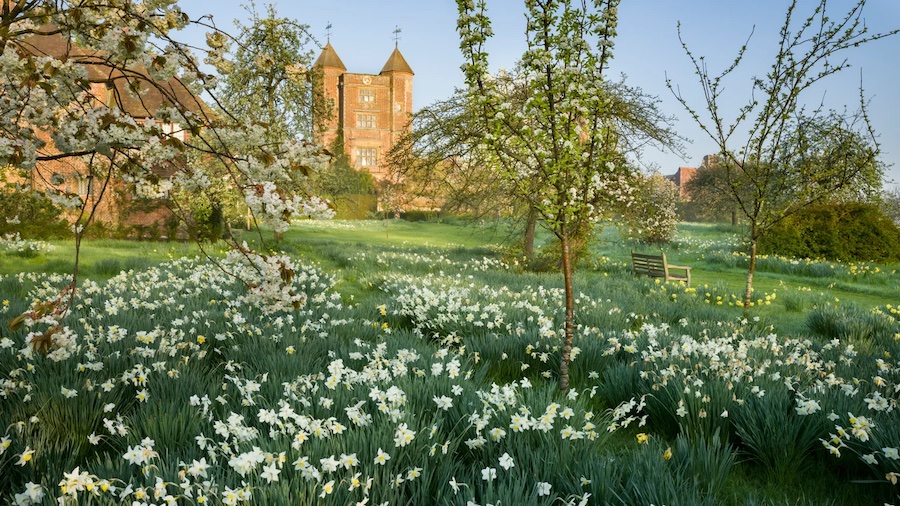
Very soon we will not be reading about gardens and Roman sites but walking among them! So, let me get to the final set of gardens: Great Dixter, and Kew, which are also the final two venues we will visit. In the mid to late 20th century, Great Dixter was developed by gardener and prolific …

English Gardenscapes with Shades of Roman Britain Tour Note 6: Hidcote Manor Garden and Sissinghurst Castle Garden

I began these notes to give tour members some useful information about the sites we will be visiting and to explain why we are visiting those places among the hundreds of other gardens and Roman sites in England. In the case of Hidcote and Sissinghurst, the reason for including them is easy: I've not yet …

English Gardenscapes with Shades of Roman Britain Tour Note 4: Hever and Sudeley Castles and Gardens

From the Romans to the Tudors for this next set of notes, but I'll return to the Romans in Bath for the next installment. This post, though, includes castles and gardens related to two wives of Henry VIII. We chose these sites in part for their historical connections but in large because there are features …

English Gardenscapes with Shades of Roman Britain Tour Note 2: Rousham

Of all the lovely landscape gardens one can visit in England, we settled on Rousham for two primary reasons:  it remains essentially unchanged in its 18th-century house and landscape design by William Kent, and it is of a scale more easily comprehended than Stowe (250 acres) or Chatsworth (150 acres).  In its 25 acres, though, …

Of Pinecones, Fountains, and Fascination

Just about a year ago, while I was engaged in rather far-ranging reading in garden history, I became fascinated with pinecones.  My reading journeyed from the 6th-century BCE Chahar Bagh gardens of Persia to the 20th-century arts and crafts herbaceous borders of England.  Familiar with decorative pinecone elements in garden hardscape, I had not, however, …

the montage garden

While doing some reading in the history of garden design—ornamental gardens that is, the squirrels, raccoons, and now armadillos make vegetable gardening far too frustrating for me—I read the following in Lorraine Harrison’s How to Read Gardens, “most gardens of any age are like a palimpsest: successive generations have changed adapted and influenced the soft …