

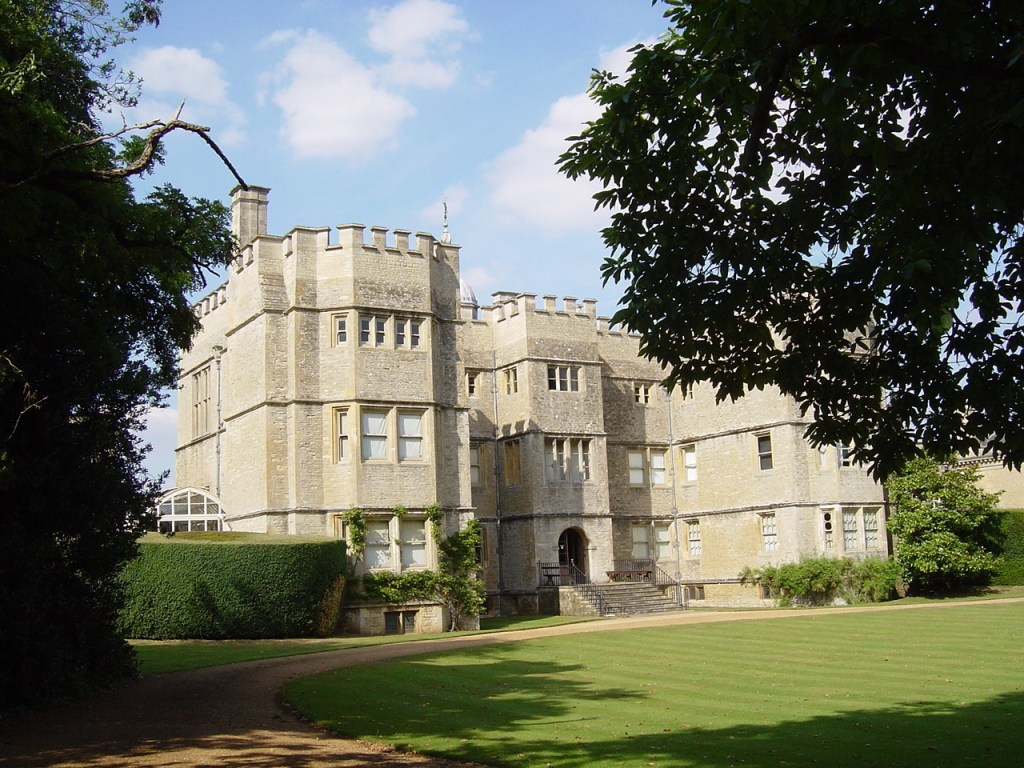
Of all the lovely landscape gardens one can visit in England, we settled on Rousham for two primary reasons: it remains essentially unchanged in its 18th-century house and landscape design by William Kent, and it is of a scale more easily comprehended than Stowe (250 acres) or Chatsworth (150 acres). In its 25 acres, though, it has key features of the English landscape garden: preference for natural landscapes as opposed to the stylized geometric plantings and designs of 17th-century European gardens, meandering walks that opened on “views,” open expanses that teased the eye beyond the boundaries of an estate, statuary, cascades, and temples. All of this was designed to foster reflection and aesthetic appreciation through the picturesque.
Here are some of those key features to look for at Rousham. First, is the Bowling Green leading from the house past the statue of The Lion and the Horse to the “eye-catcher” or “folly” near the horizon line in the distance. Look about 10 o’clock from the statue in the second photo below. The gray stone structure that looks like the ruins of a medieval castle is really just a wall worthy of a movie backlot set. It draws the eye beyond the boundaries of the garden into what Capability Brown referred to as borrowed landscape. It also typifies desire for the picturesque.
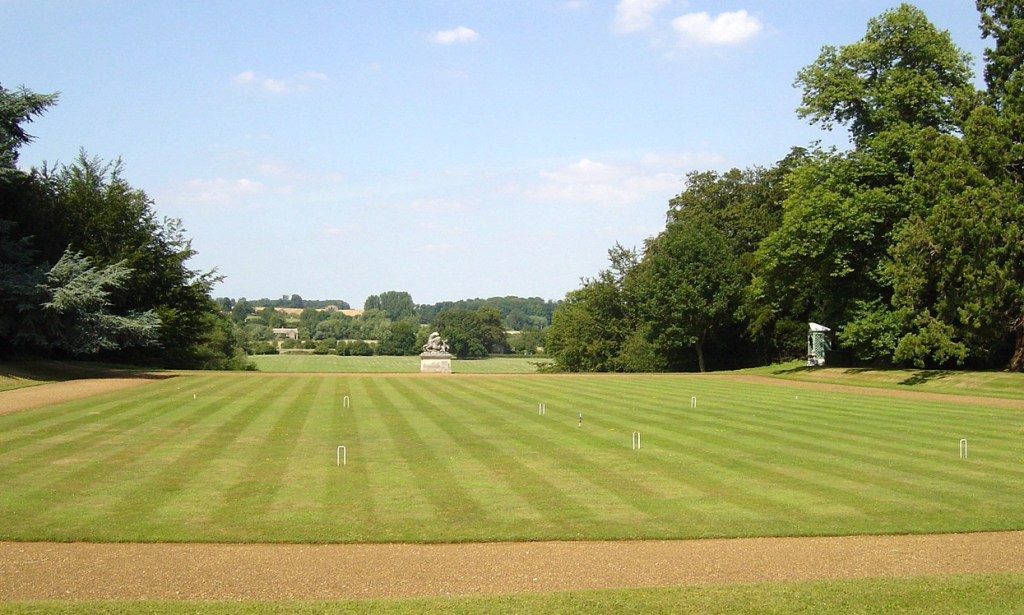
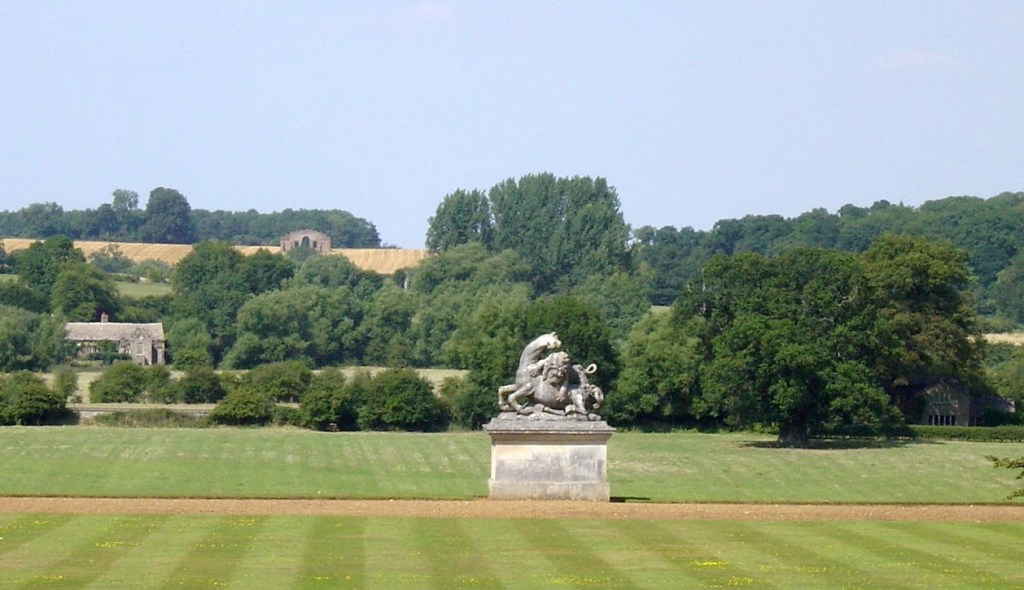
Another characteristic topographical feature can be seen to the left as we view the Bowling Green in the first photo above. The Ha-Ha, a ditch with sloping hill and vertical wall, effectively keeps livestock off of the pleasure lawns without interrupting the view from the grounds. The name comes from the surprise of realizing that what seemed a continuous expanse of land is actually broken by an animal defying wall.


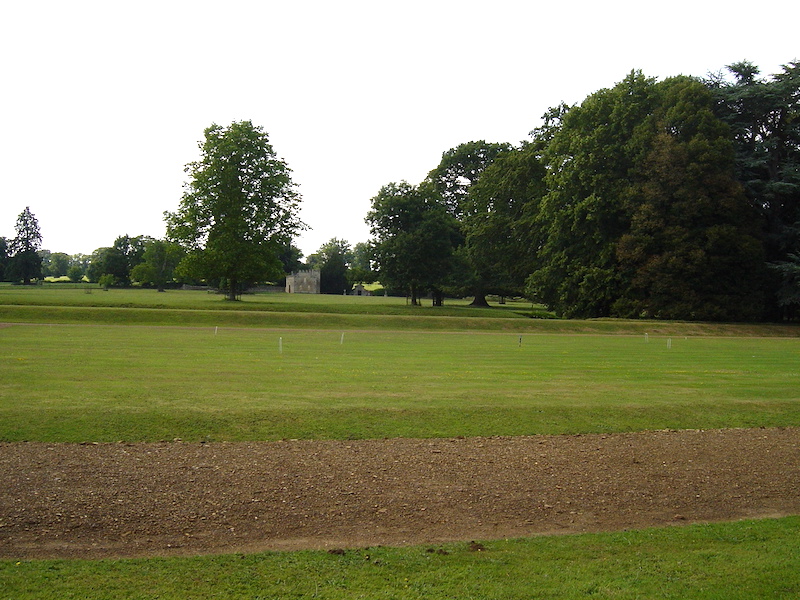
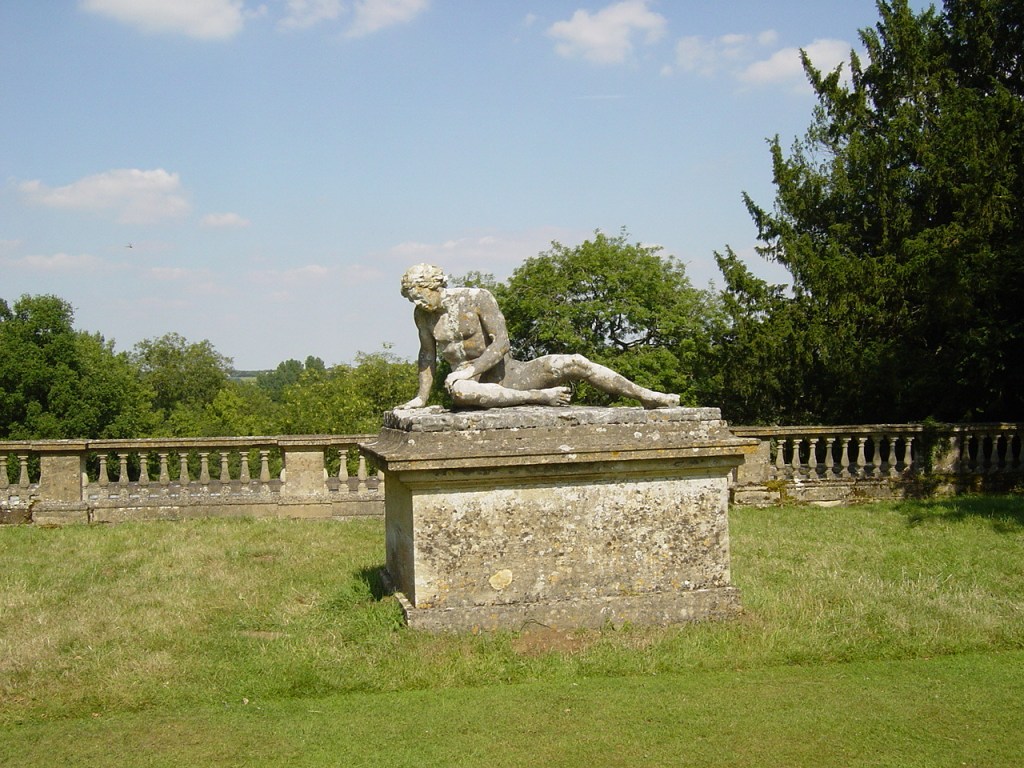
English landscape garden ethos is not all open space, however. Meandering walks opening on thought provoking statuary and beautiful vistas are essential. For example, see the figure of the Dying Gladiator and the paths surrounding the Arcade and the Temple of Echo below.
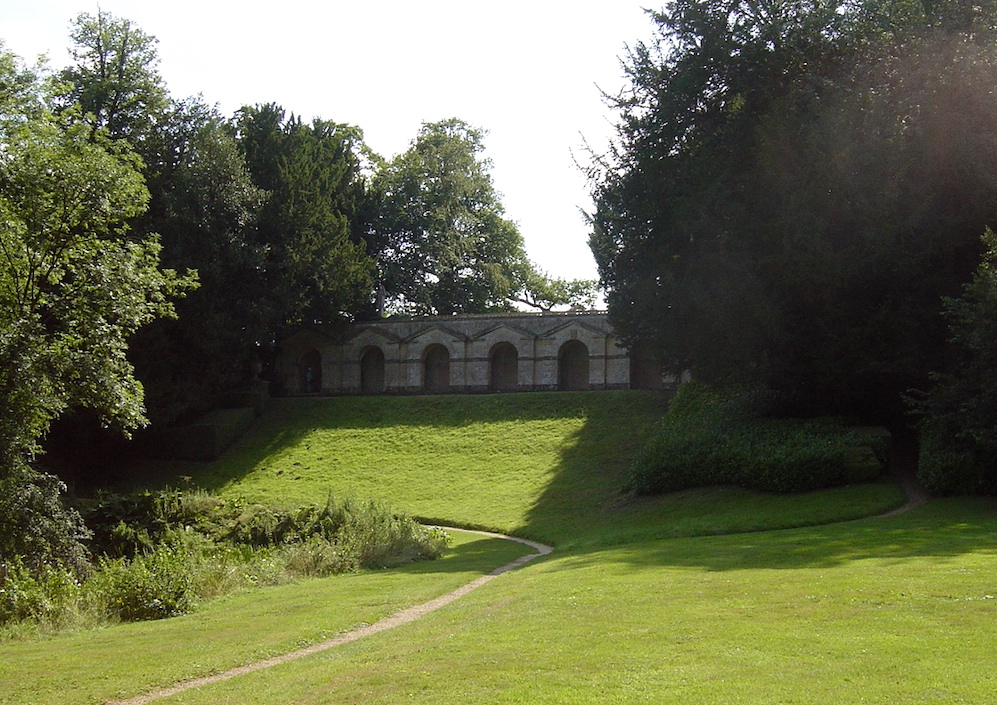
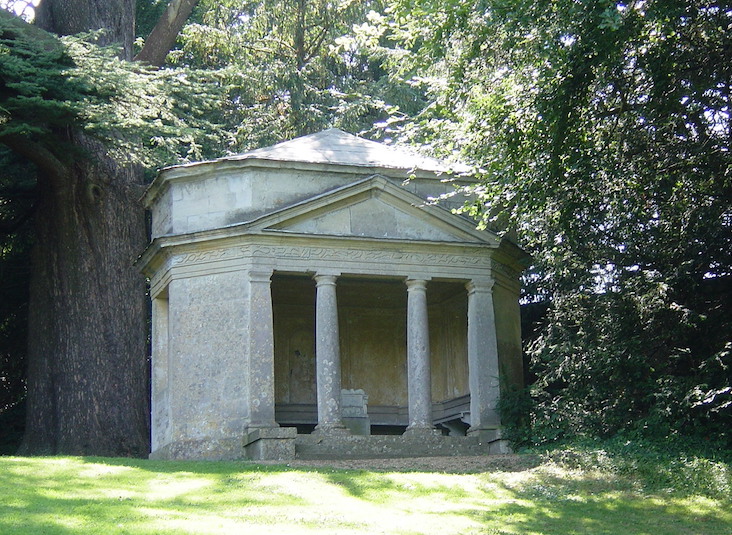
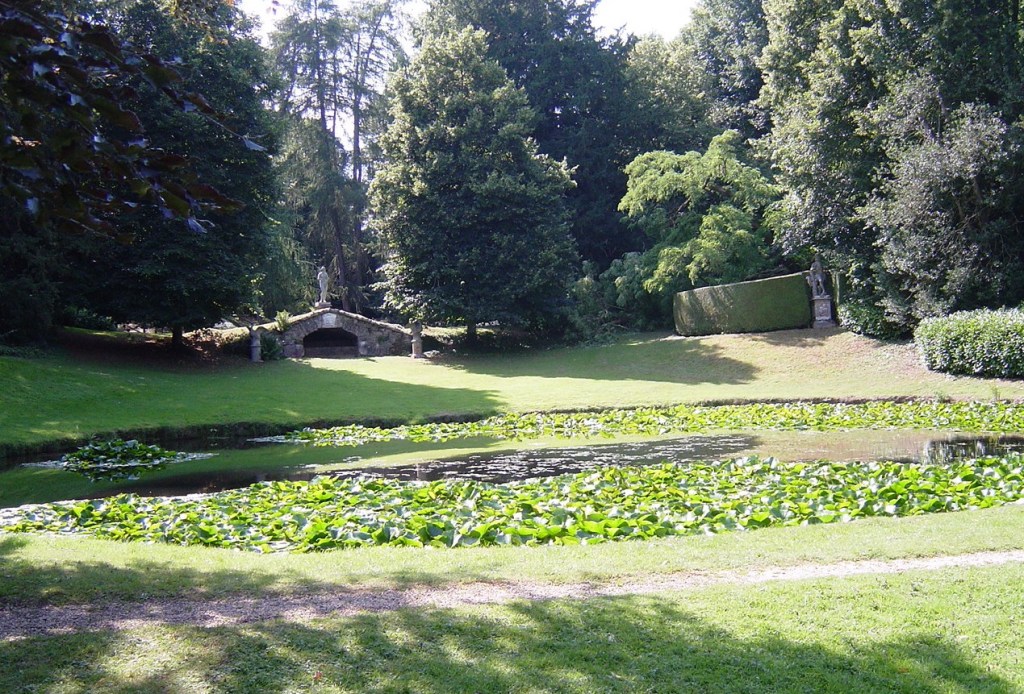
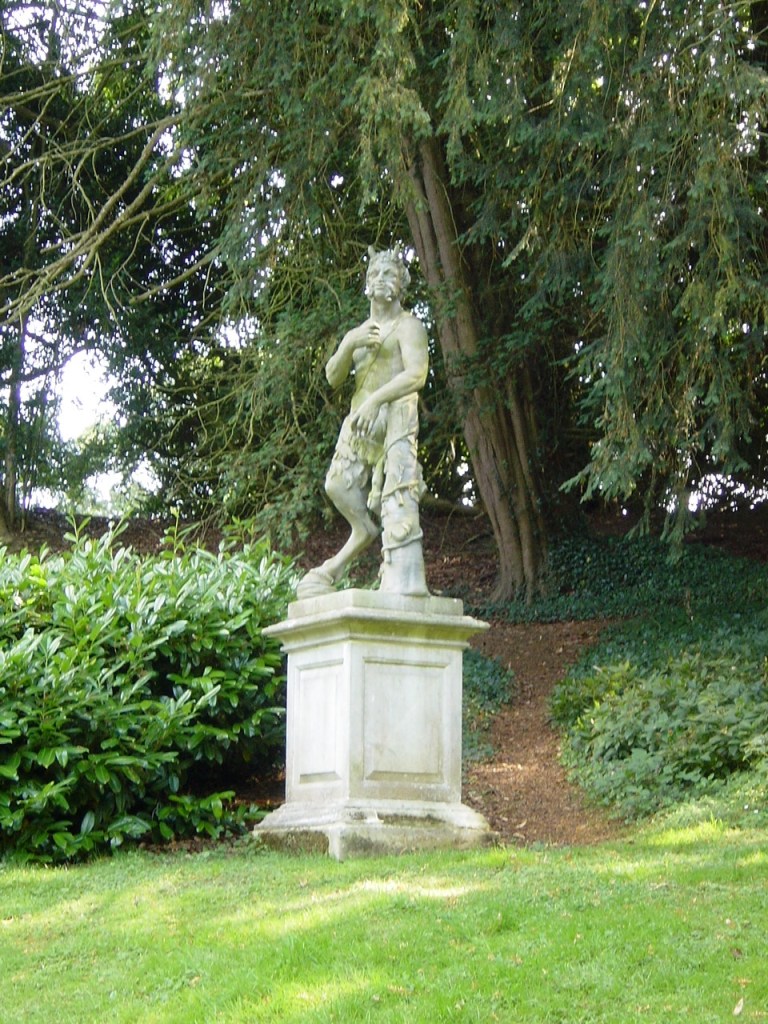
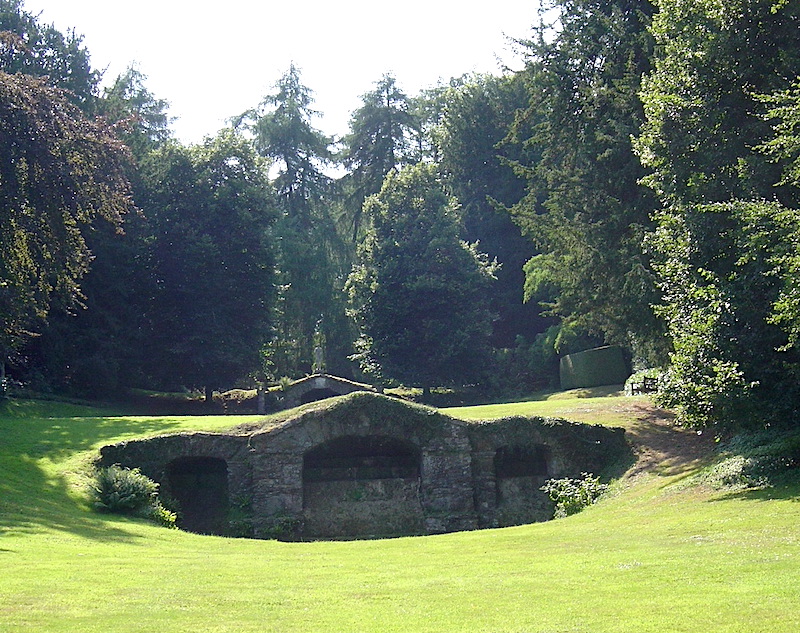
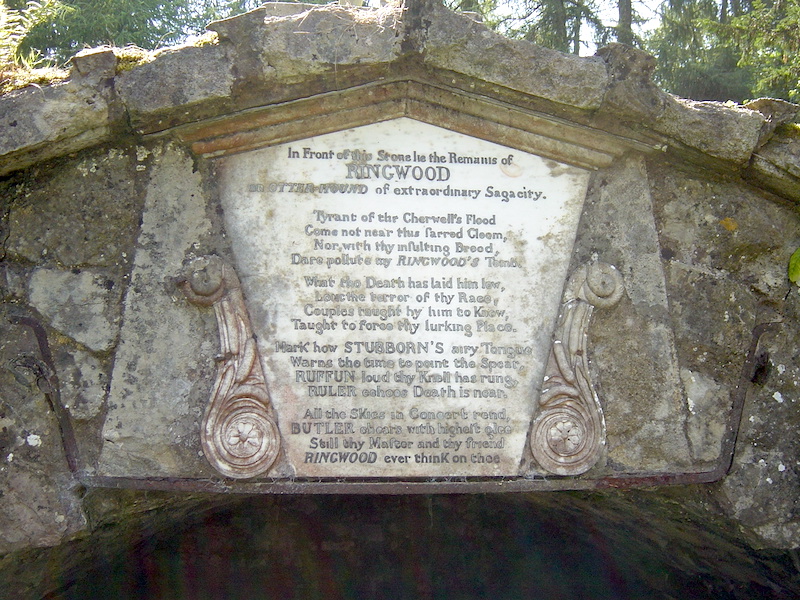
Maybe the most picturesque of the vistas in the garden is Venus’s Vale. Venus stands atop the Upper Cascade. Pan can be seen to the right in the photo. Below the pond, a second, or Lower Cascade continues the gently sloping landscape. I find the most appealing element in Venus’s glade, however, to be the memorial plaque to Ringwood the dog installed below Venus in the center of the Upper Cascade. It reads in part: ”In Front of this Stone lie the Remains of Ringwood an otter-hound of extraordinary Sagacity.” Apparently, Ringwood was so much the bane of otters and the superior of the estate’s otter hounds that “Still thy Master and thy friend RINGWOOD ever think[s] on thee.”
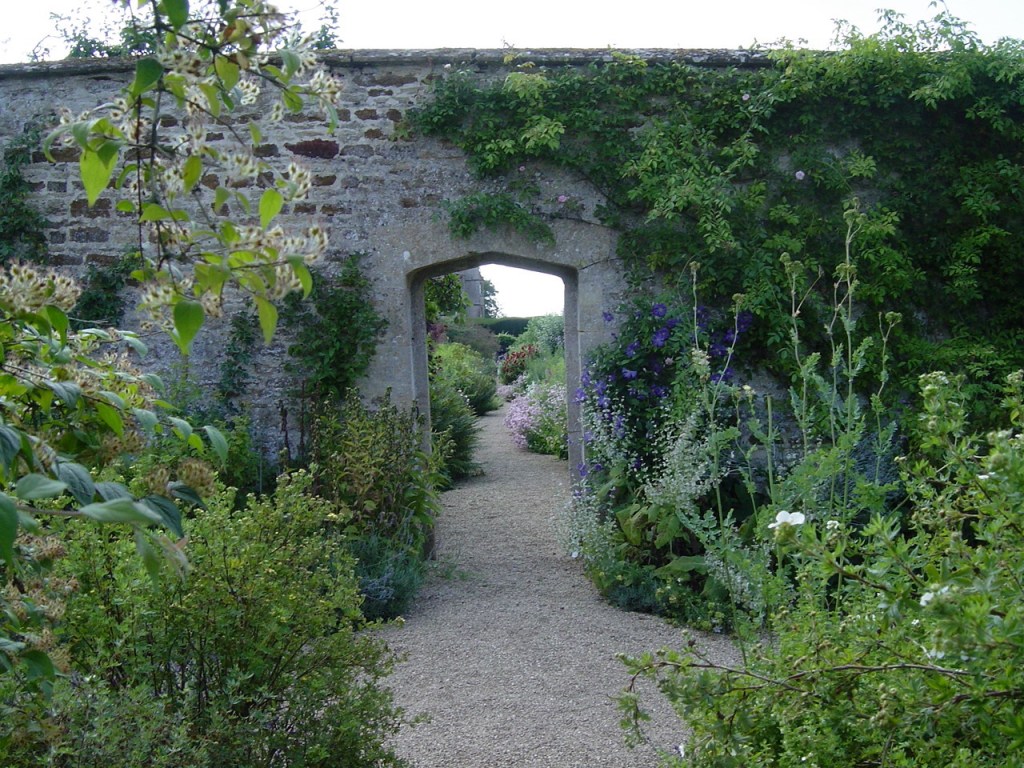
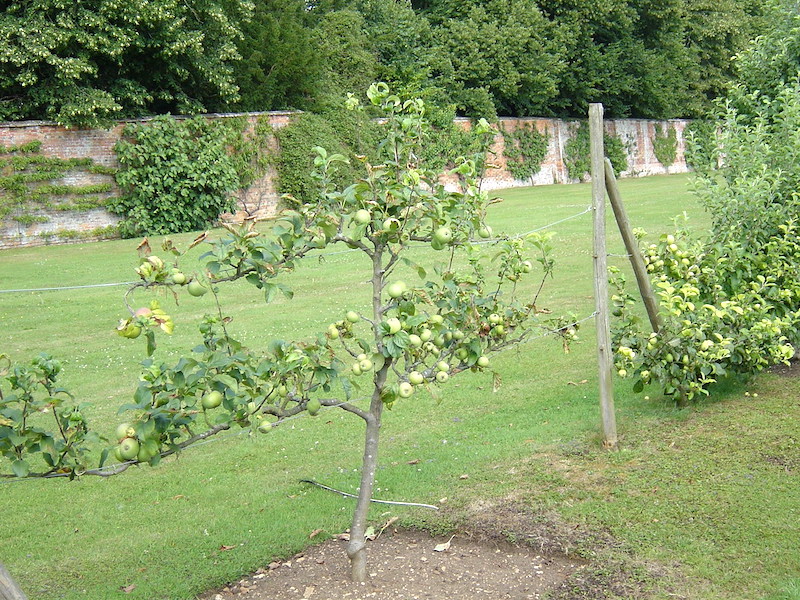
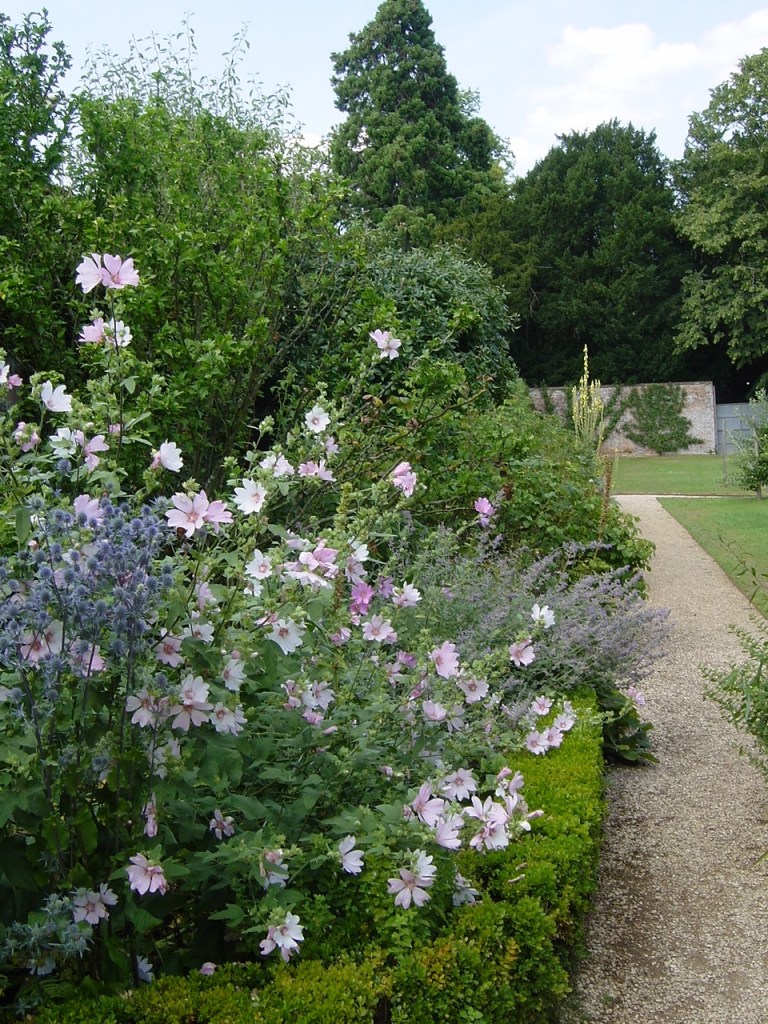
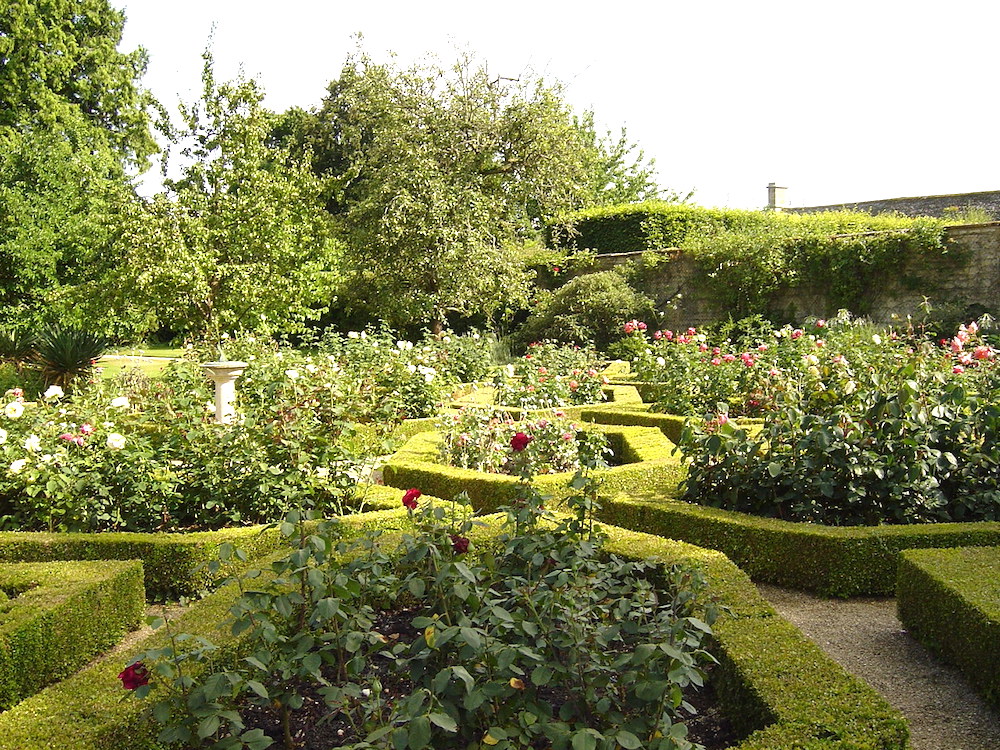
With all of these 18th-century garden high points, don’t miss the much earlier walled garden with its espalier apple trees, borders, parterres, and dovecote, or pigeon house . Pigeon dropping made a valuable fertilizer for period gardeners.

Our local guide or tour manager might have many other factoids for us. English gardener and garden commentator Monty Don offers a quick overview of Kent’s achievements at Rousham in this short video https://www.youtube.com/watch?v=O4pS-NdLL7A. He does a quick tour of the gardens and takes us in the house in a worthwhile 10 minutes—once you get past any of the vast variety of ads.
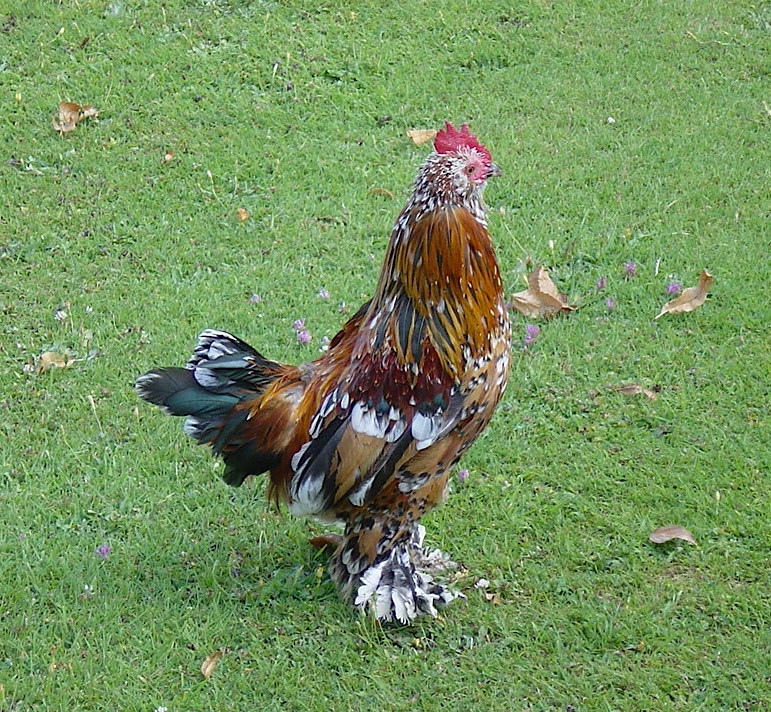
I close these notes with a photo of a Mille Fleur Barbu d’Uccle Bantam. These stunning roosters have a tradition of roaming freely on the side of the front lawn at Rousham. I first saw them nearly 20 years ago in 2006.
 After Eden
Walled gardens are a favourite of mine.
LikeLike
Remarkable rooster. Thank you for sharing these photos of these grand English gardens.
LikeLike
I have enjoyed following the blog and your travels, and I also must confess I had to read this post twice to make sure I was reading correctly. I remember well seeing this photo of the Bantam rooster—surely not (almost) twenty years ago?!?
LikeLike