
(This series is written specifically to provide background information for folks traveling with me and my colleague Samuel Pezzillo to visit gardens and Roman sites in England in June 2024 . Others interested are certainly welcomed to read along with us.)
An overview of decorative gardens in Britain can begin with Roman villa gardens bordered by peristyle colonnades and featuring quincunx planting patterns, move on to medieval, herbers, parks, and pleasure gardens, then settle in to early Tudor and Elizabethan geometric style gardens reflecting the 6th-century BCE Persian chahar bagh (four gardens) design of crossing axes and central water feature.
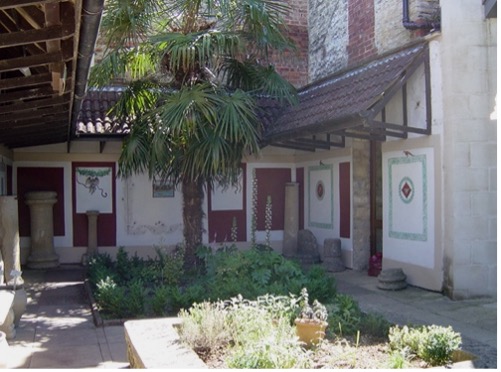
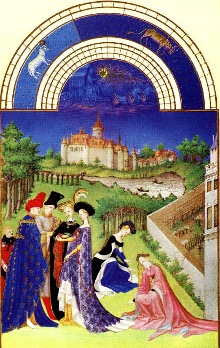
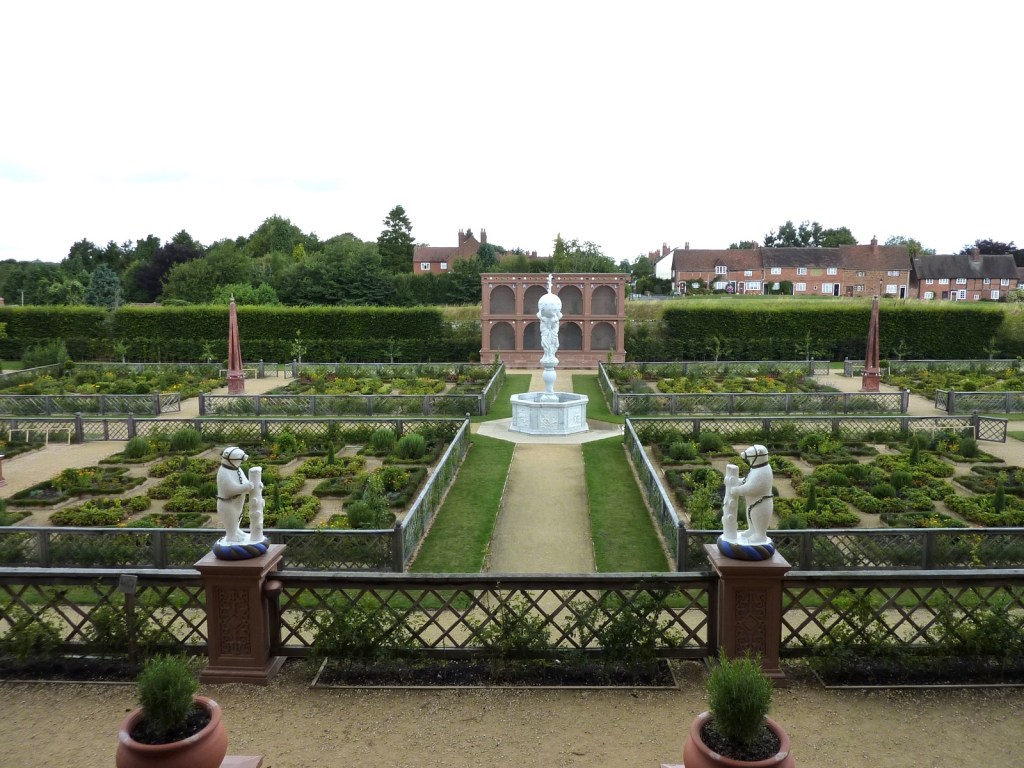
Seventeeth-century gardens in England followed the Dutch and French Baroque styles of elaborate symmetrical, geometric designs, which we can illustrate by an early Rousham rose parterre and a 19th-century Oxfordshire Ladies’ garden.
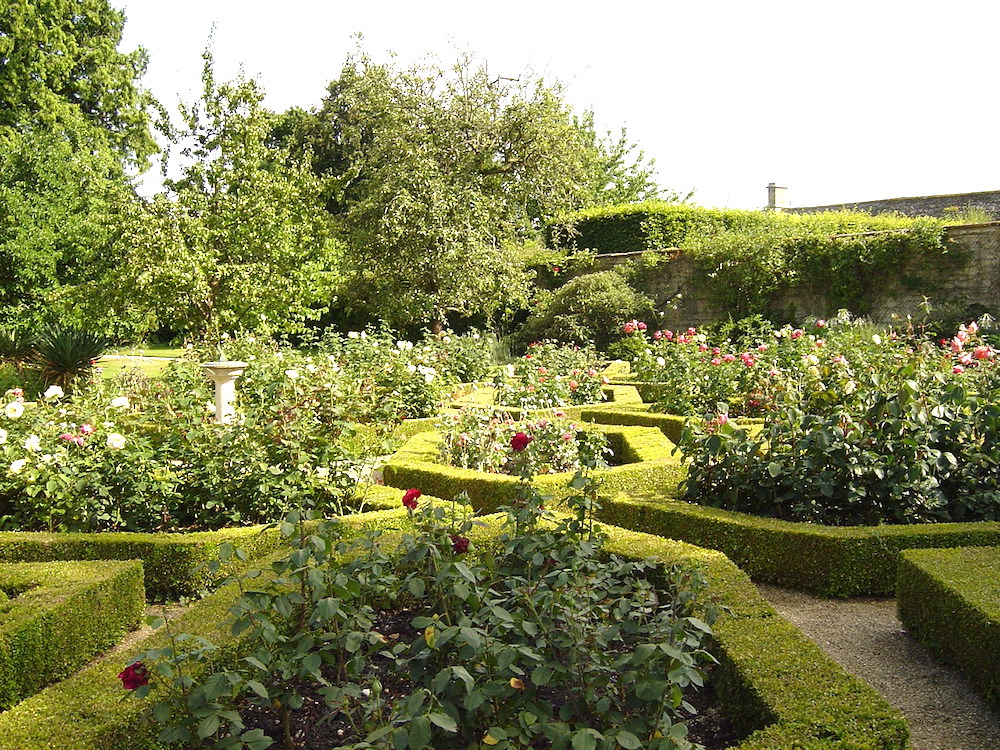
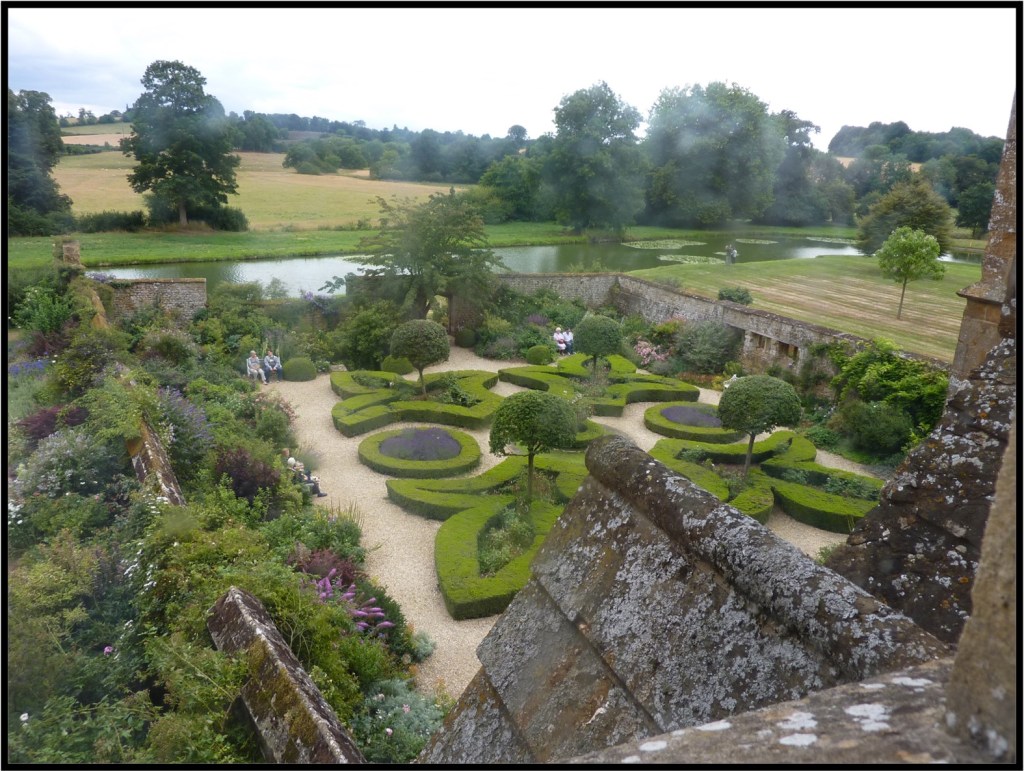
But the “English Garden” as an eponymous type only emerged in the 18th-century as a reaction against formal, geometric French styles. More aptly named the English landscape garden, it promoted expansive, natural styles in which the garden opened to the broader landscape. An upcoming post will cover the principles behind the landscape garden in more detail, but here are the key players and a few primary sites—including Rousham, which we will visit.
Architect William Kent redesigned garden features at Rousham (1737-1744) to eliminate straight lines (he is to have said that “nature abhors a straight line”) and to focus on picturesque views. He also worked at Stowe, creating various architectural features in the Palladian style he favored.
Lancelot ‘Capability’ Brown, worked at Stowe as well and at Chatsworth (1750s-1765) where he reworked the land to create idealized natural landscapes. His nickname “Capability” came not from his abilities but from his assessment of the capability of the topography he was evaluating.
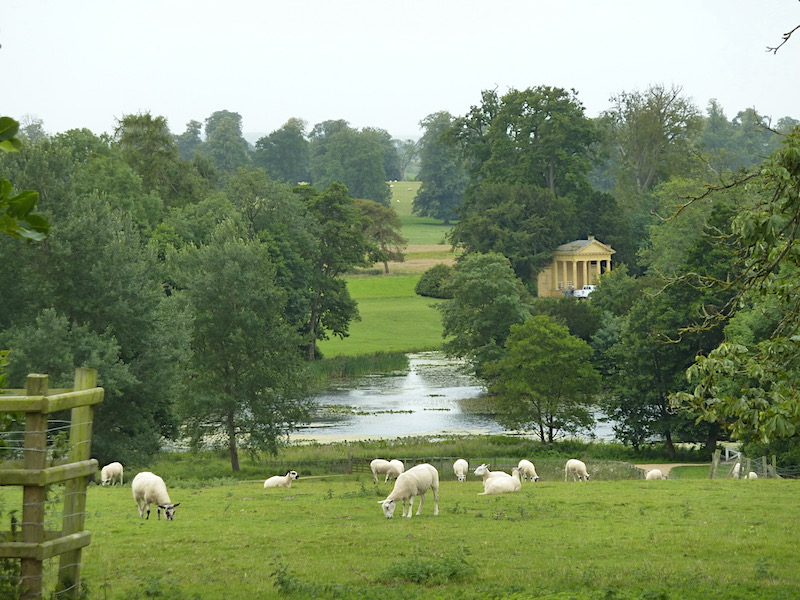
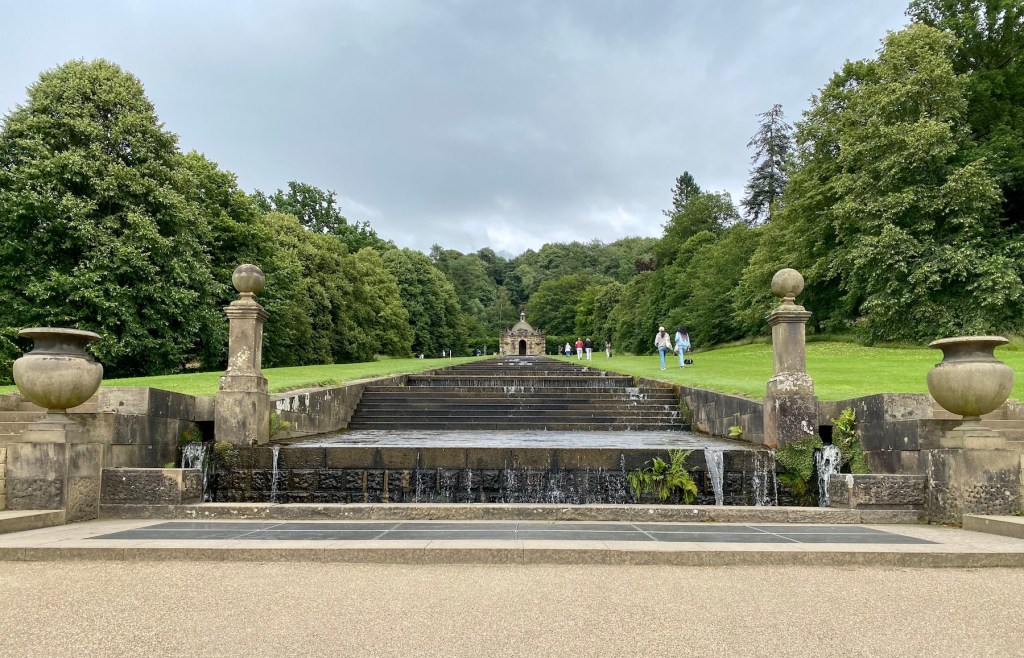
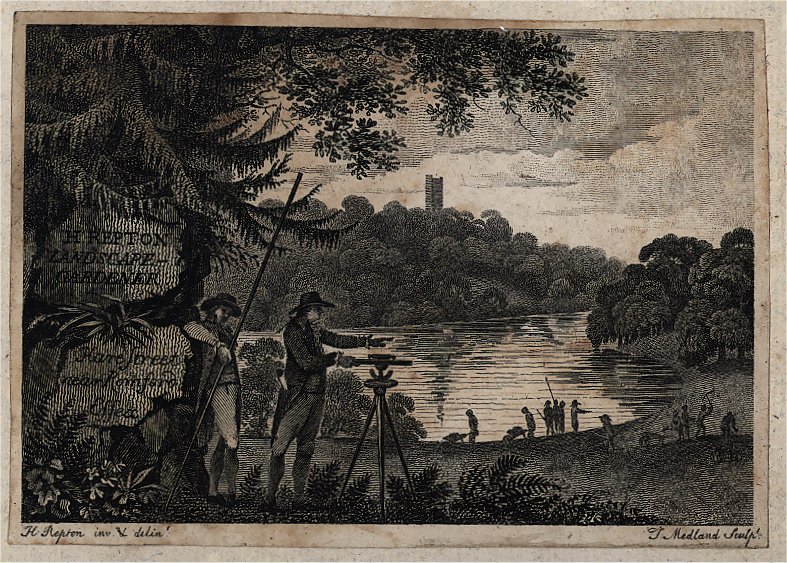
Finally, Humphry Repton deserves mention, in part for his Red Book designs that showed clients what their landscapes could look like with overlay drawings placed on sketches of the current land, but also because he seems to have been the first to refer to himself as a landscape gardener. See the center left medallion on his business card pictured below. Clearly he was ahead of his time in promotional prowess.

The mid 19th century saw the great period of plant specimen collection and botanic gardens opening to the public. The gathering of exotics was facilitated by the development of recent techniques in the construction of iron and glass houses. Two such extraordinary structures will provide good examples here. The first is the Palm House at Kew, opened in 1848. More on Kew later. It will be one of our final stops and a rich venue to close out our tour. The other is the Crystal Palace built for the 1851 Great Exhibition of Works of Industry of All Nations; unfortunately, it was destroyed by fire in 1936.
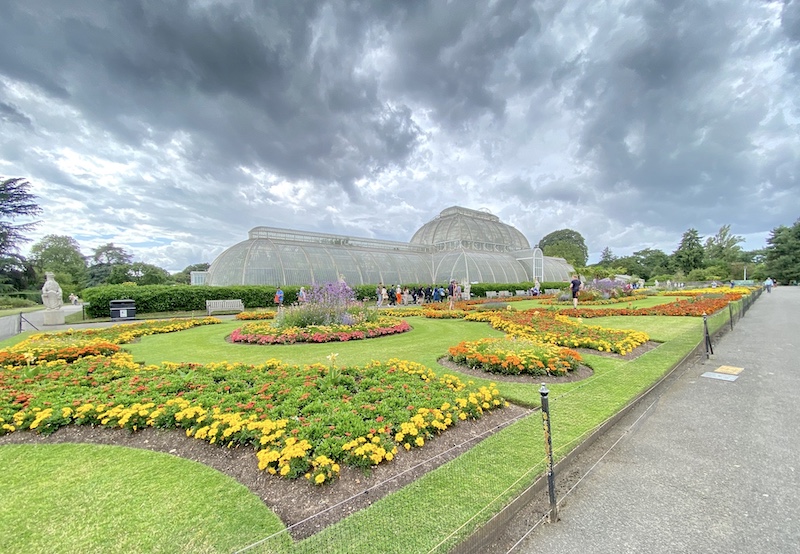
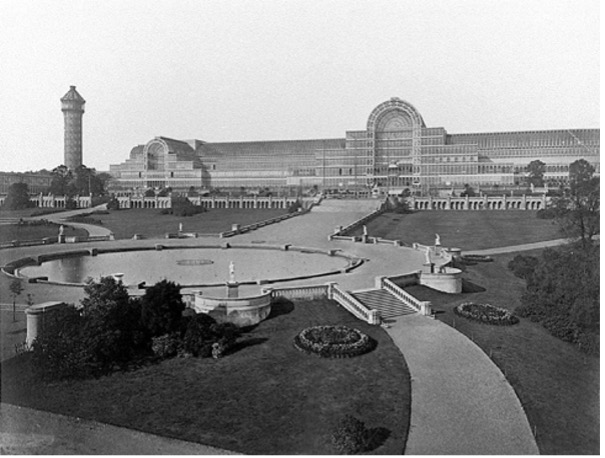
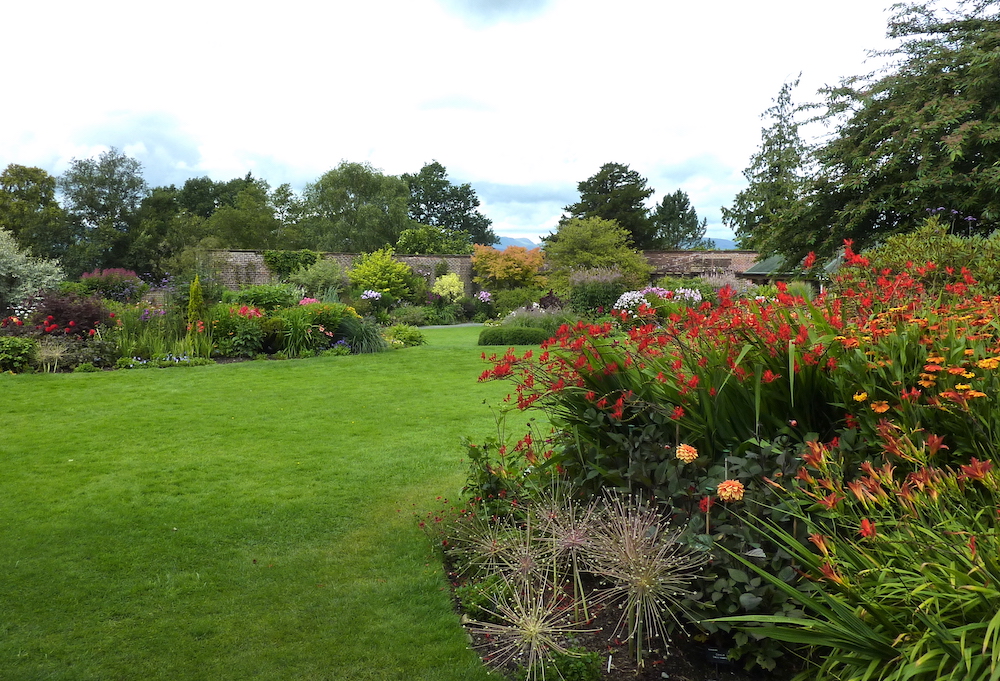
The final group of people and places brings us to what many think of as “the English Garden,” perennial borders, great sweeps of colorful flower beds along walkways, and compact color-rich cottage gardens.
This more natural, less rigid, style in several ways has its beginning with the publication of William Robinson’s, The Wild Garden, 1870, which revolted agains the Victorian carpet bedding habit of planting low-growing annual flowers in pictorial deigns. His naturalistic gardens’ edges blended freely into the landscape. It is worth noting that this is the same time that William Morris’ Arts and Crafts movement is gaining popularity in opposition to industrialization’s dampening influence on the decorative arts.
Influencing British and American visions of the cottage garden and perennial border, Gertrude Jekyll designed over 400 gardens between 1890s and the 1920s. Both the Arts and Crafts movement and her own background as an horticulturalist and artist influenced her designs, which are characterized by unifying swatches of color in herbaceous borders, yew hedges, and climbing roses. She sometimes worked with architect Sir Edwin Lutyens who designed hardscapes in perfect harmony with Jekyll’s planting designs. Many of Jekyll’s gardens are no longer extant, but Hestercombe Gardens, (1903) her most noted collaboration with Lutyens remains. We’ll not visit one of her designs; nevertheless, we cannot talk about the English garden without mentioning Gertrude Jekyll.
The garden at Hidcote Manor in the Cotswolds has been called the quintessential Arts and Crafts garden; consequently, it was essential that we include it on our tour. Its designer (c. 1907-1938), Lawrence Johnston, is not as well known as the others named here, but Hidcote is extremely well known for its display of garden rooms and herbaceous borders.
The last two gardens I’ll mention in this speedy overview of ‘the English Garden’ are Sissinghurst (1930s) and Great Dixter, (1954). I’ll have more to say about their influence on color pallets, garden rooms, and long borders later to give you background for our visits to these two extraordinary gardens. For now I’ll only familiarize you with the creative minds behind the sites: Vita Sackville-West, assisted by her husband Harold Nicolson, for Sissinghurst and Christopher Lloyd for Great Dixter.
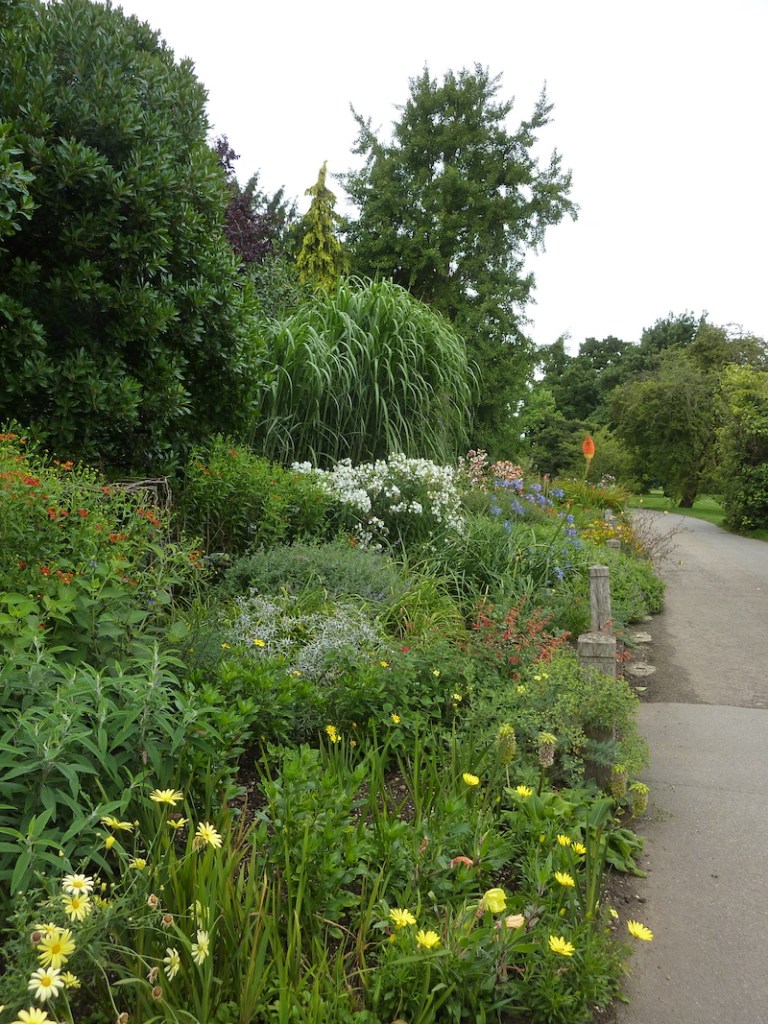

Between now and mid-June, I’ll post another five or six short background notes covering our itinerary gardens mentioned here as well as Sudeley, Hever, and Bridgewater, and Roman Bath, Chedworth, and Fort Chester.
*The featured photo is from Holehird Gardens, Windermere
 After Eden
This sounds like a fascinating tour.
LikeLiked by 1 person
Thank you.
LikeLike
What a wonderful trip you will all have, I’ve been to the Roman villa at Chedworth and my husband’s aunt would know all the gardens in Gloucestershire, she was a garden tour guide at Highgrove for many years. RHS gardens at Wisley are another great stop off, but you can’t possibly fit everything in on one trip.
LikeLiked by 1 person
Thank you! Wish we could have managed Highgrove! Wisely was on my original itinerary, but it just was not possible to work out. However, we are going to the newest RHS garden at Bridgewater.
LikeLiked by 1 person